

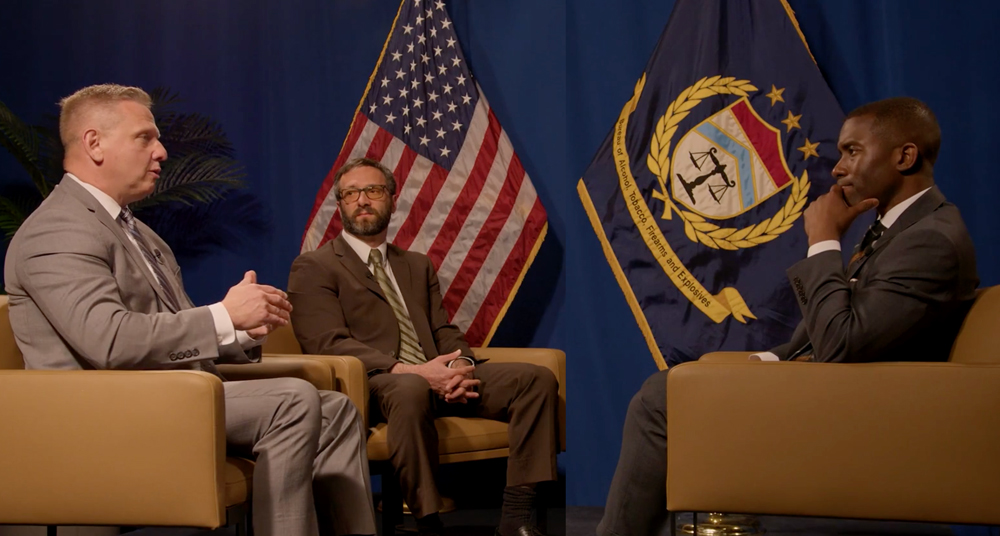
ATF Director Daniel Cekada’s sit-down with Shermichael Singleton signals a deliberate pivot in tone from the agency that spent the last decade treating gun owners like presumptive suspects. By openly discussing rule rollbacks and internal reform, Cekada is acknowledging what the 2A community has long argued: many recent ATF interpretations stretched statutory language past the breaking point, especially on pistol braces, forced-reset triggers, and the redefinition of “engaged in the business.” The fact that these topics are now on the table for public conversation rather than buried in Federal Register notices suggests the agency senses both legal headwinds from the courts and political pressure from a Congress increasingly willing to conduct real oversight.
What makes the interview noteworthy is Cekada’s willingness to frame gun rights as compatible with enforcement priorities rather than inherently suspect. That framing matters because it undercuts the narrative—pushed hard by previous leadership—that every expansion of the Second Amendment requires a corresponding expansion of regulatory power. If the Director follows through with actual rollbacks instead of cosmetic tweaks, the practical effect could be immediate relief for manufacturers sitting on inventory, FFLs facing arbitrary inspection tactics, and millions of owners whose lawfully acquired items were suddenly reclassified as NFA items. The 2A community should treat this as an opening, not a victory; sustained pressure through litigation, legislation, and public records requests will determine whether the rhetoric translates into durable policy change or simply buys time until the next administration.


