

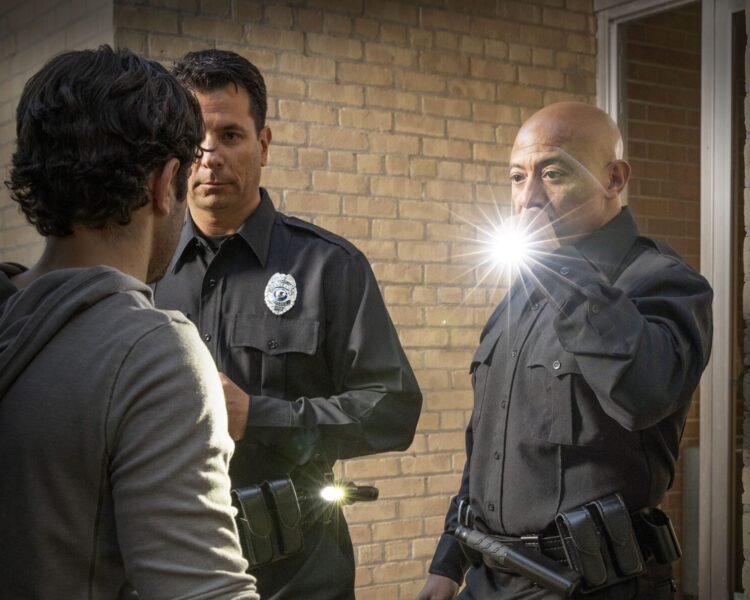
The ASP “3D” flashlight method—Detect, Distract, Dominate—turns an everyday carry tool into a force multiplier that buys precious seconds when fractions count. By training users to flood an aggressor’s vision with blinding light, then immediately create distance or draw, the technique compresses the reactionary gap that so often decides defensive encounters. For the armed citizen this is more than a tactical trick; it is a legally defensible way to articulate why a flashlight was in hand before the gun, demonstrating foresight rather than aggression and thereby strengthening any self-defense narrative that follows.
Beyond the range, the 3D framework dovetails with the broader right-to-carry ecosystem: states that treat flashlights as ordinary objects rather than weapons preserve an unobstructed path to preparedness, while over-broad “less-lethal” statutes risk criminalizing the very tools law-abiding carriers rely on to avoid lethal force. When citizens master non-escalatory options like controlled bursts of light, they reduce the statistical likelihood that a situation ever reaches the point where deadly force becomes necessary—an outcome that quietly undercuts the narrative that armed Americans are simply waiting for an excuse to shoot.
Ultimately, the 3D method exemplifies how training and technology together expand the practical exercise of Second Amendment rights. A citizen who can articulate, demonstrate, and document a graduated response—light before lead—arms themselves not only with hardware but with the clarity of purpose that courts and communities respect. In that sense, ASP’s simple acronym is quietly revolutionary: it reminds carriers that the Constitution protects the prudent exercise of force, and that the best defensive victory is often the one measured in avoided shots rather than spent brass.


