

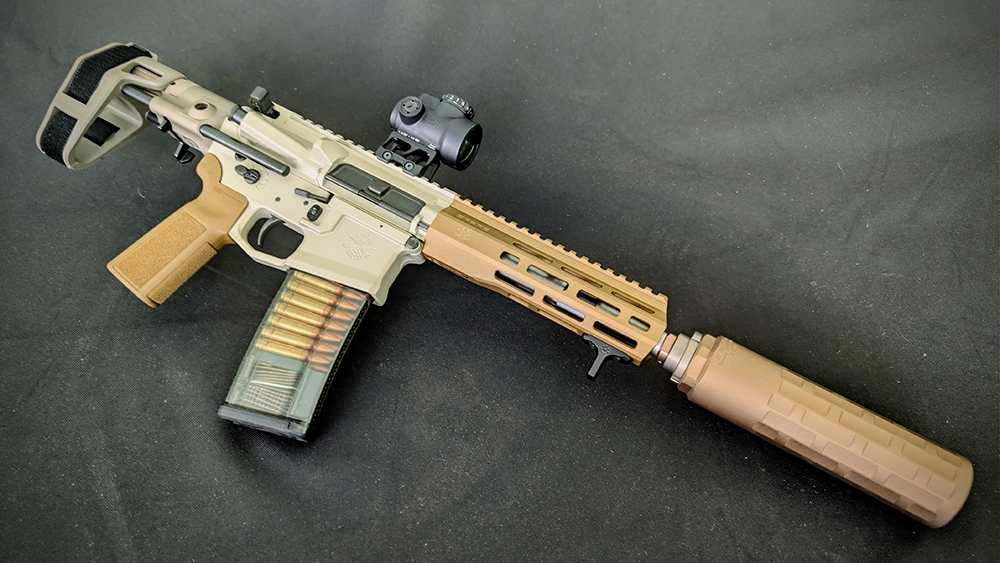
The sudden elimination of the $200 NFA tax stamp has detonated suppressor sales like a long-awaited pressure release, and the numbers coming out of the American Suppressor Association tell the story in raw volume. What used to be a deliberate, paperwork-heavy purchase—complete with fingerprints, photos, CLEO notification, and a months-long wait—has become a near-impulse buy for many gun owners who previously wrote off cans as too expensive or too bureaucratic. The result is a classic supply-and-demand shock: manufacturers are scrambling to increase production while dealers report lines of buyers who had been sitting on wish lists for years, proving that the tax itself, not just the hardware, was the primary barrier.
For the broader Second Amendment community this moment is more than a sales spike; it is living proof that regulatory friction, not safety data, has long dictated access to hearing protection. Suppressors remain among the safest firearm accessories on the market—devices that reduce noise, mitigate recoil, and protect both shooters and bystanders—yet they were singled out for punitive taxation in 1934 under the same law that targeted short-barreled rifles and machine guns. Removing the stamp cost demonstrates that millions of law-abiding citizens will adopt common-sense safety equipment the moment government stops treating it like a privilege. That shift also undercuts decades of anti-gun messaging that portrayed suppressors as tools for assassins; the post-tax-stamp surge shows everyday hunters, competitors, and homeowners prioritizing ear health over Hollywood myth.
Looking ahead, the real test will be whether this demand surge forces a permanent policy correction or merely a temporary reprieve. If production capacity catches up and prices stabilize, the suppressor could finally shed its “exotic” label and become standard equipment the way optics did after the 1980s. More importantly, the episode supplies fresh ammunition in the larger fight: every new suppressor owner is now a stakeholder who has personally experienced how an arbitrary tax distorts a constitutional right. That lived experience travels further than any talking point, and it arrives at precisely the moment when states are also moving to deregulate suppressors on their own. The takeaway is simple—when artificial costs disappear, responsible gun owners do what they have always done: equip themselves smarter, train more comfortably, and quietly expand the practical exercise of their rights.


