

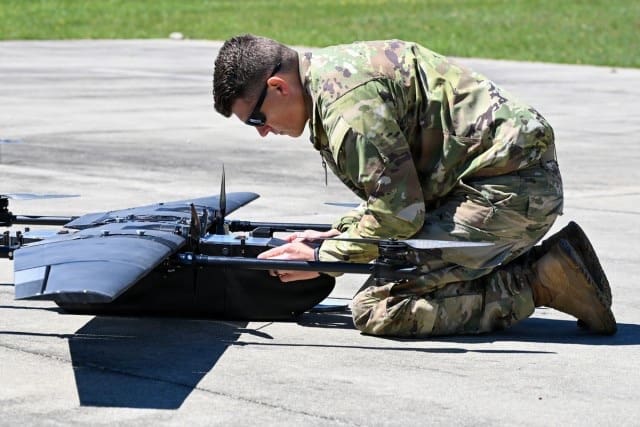
The Army’s decision to throw open its premier test ranges to private industry is more than a procurement reform—it’s a tacit admission that the next leap in small-arms and precision-munitions technology is more likely to come from a garage-sized start-up than from a legacy prime. By letting commercial teams run live-fire experiments on ranges once reserved for classified programs, the service is effectively crowdsourcing lethality at a time when near-peer adversaries are fielding hypersonic glide vehicles and drone swarms. For the 2A community, the move is a double-edged sword: it promises faster fielding of next-generation rifles, optics, and suppressors that civilian shooters will eventually see on store shelves, yet it also concentrates cutting-edge R&D inside a government-approved ecosystem where export controls and ITAR still loom large.
Equally significant is the signal this sends about the future of American gun culture. When private innovators can iterate on barrels, triggers, and smart optics under the same environmental stresses soldiers will face, the feedback loop between battlefield necessity and civilian sporting goods tightens. Expect to see recoil-reduction systems, advanced composites, and integrated ballistics computers migrate from these ranges to the commercial market years—not decades—after military acceptance. At the same time, the policy underscores a growing reality: the constitutional right to keep and bear arms is increasingly defended not just by litigation and legislation, but by the pace at which domestic industry can out-innovate its foreign competitors. If the Army’s bet pays off, the same ranges that once validated tomorrow’s service rifle may quietly validate the next must-have upgrade for American sportsmen and self-defenders alike.


