

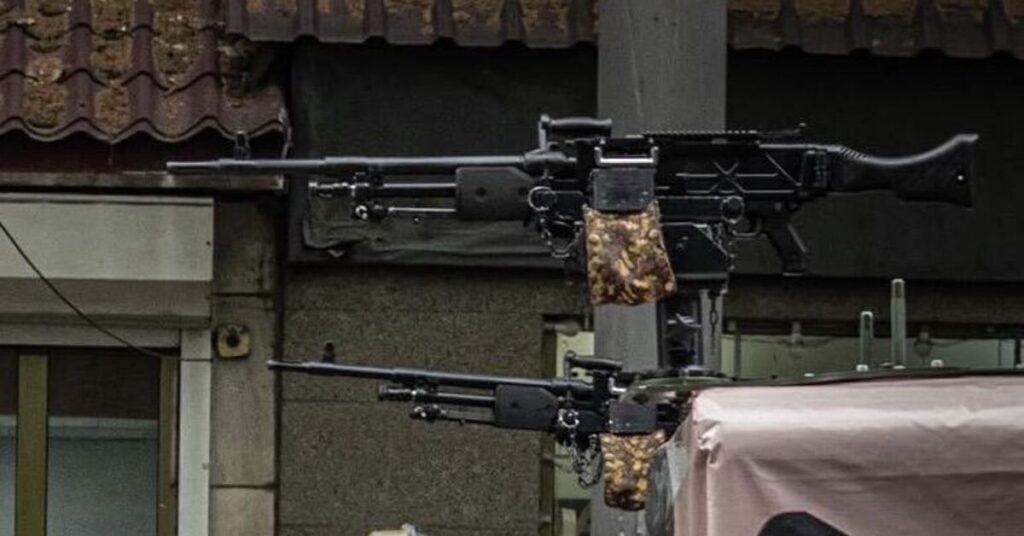
Armenia’s decision to roll out a domestically developed machine gun during its first military parade in a decade is more than a simple equipment upgrade; it signals a deliberate pivot away from Moscow’s supply chain and toward self-reliant defense manufacturing. For years the country’s small-arms inventory was locked into Warsaw Pact calibers and Russian logistics, a dependency that left it vulnerable whenever political winds shifted in the Kremlin. By fielding its own design, Armenia is shortening that leash, proving that even a land-locked former Soviet republic can nurture the industrial base needed to produce modern automatic weapons without waiting for export licenses or spare-parts shipments from abroad.
That shift carries a quiet but unmistakable message for American gun owners who watch global small-arms trends: when governments treat firearms production as a strategic asset rather than a political liability, innovation follows. Armenia’s new gun will almost certainly chamber a widely available NATO or legacy Soviet round, ensuring that any future conflict does not hinge on a single foreign supplier—an approach that mirrors the decentralized, civilian-driven manufacturing culture protected by the Second Amendment. In contrast to nations that treat private firearm ownership as a threat, Armenia’s move underscores how sovereign control over arms production strengthens both state and citizen resilience.
For the U.S. 2A community the lesson is straightforward: the same principles that let a small nation break free of Russian dependency—open technical development, domestic tooling, and a culture that values marksmanship—also explain why an armed populace remains the ultimate check on centralized power. As Armenia modernizes, American shooters should note that rights exercised and industries cultivated at home are the best insurance against the day when foreign suppliers decide politics outweigh partnership.


