

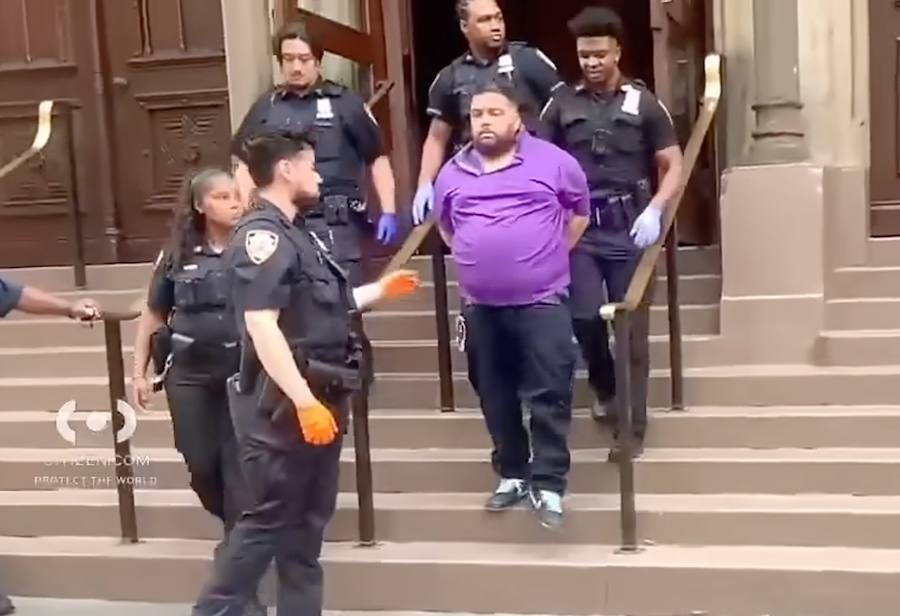
The Central Synagogue incident is a textbook case of what happens when institutions outsource their security to the lowest bidder and then act surprised when deterrence fails. A single, determined attacker essentially had the run of the place because the “rent-a-guards” were never meant to stop violence—they were meant to look like they might. That distinction matters. Real security is a mindset, not a line item; it starts with the recognition that the first five minutes of any attack belong to the people already inside the room, not to the police who are still blocks away.
For the 2A community, the lesson is blunt: every synagogue, church, or community center that posts “gun-free zone” signs is advertising helplessness. The Second Amendment doesn’t just protect the right to keep and bear arms; it protects the right to remain a hard target. When leadership refuses to let congregants or staff carry, they are choosing to outsource their survival to people whose only real job is to call 911 after the damage is done. That isn’t prudence—it’s moral hazard dressed up as policy.
The broader implication is cultural. A society that treats armed self-defense as an eccentric hobby rather than a civic virtue will keep producing these predictable tragedies. The 2A movement’s job isn’t merely to defend the right to own a firearm; it’s to normalize the idea that responsible adults have both the capability and the duty to protect their own communities when seconds count. Until that mindset shifts from the fringe to the mainstream, every house of worship without trained, armed defenders inside will remain one bad day away from becoming another cautionary headline.


