

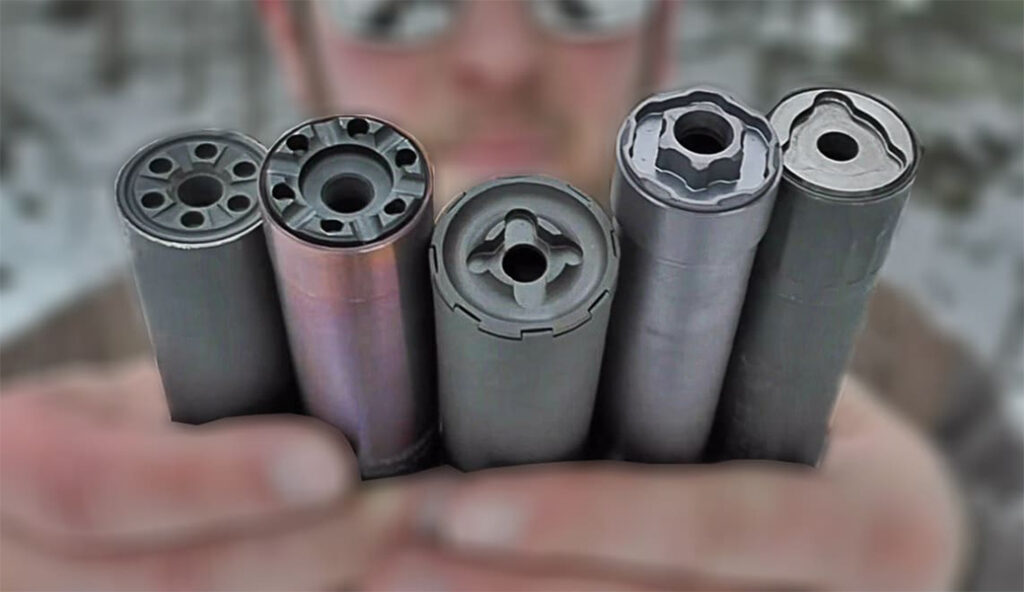
The collapse of the 92-year-old federal ban on unregistered silencers and short-barreled rifles isn’t just a legal footnote—it’s a seismic shift that reframes the entire conversation around what the Second Amendment actually protects. For decades, the National Firearms Act’s registration regime was treated as settled law, a regulatory carve-out that gun owners grudgingly accepted while fighting on other fronts. Now that the Attorney General has let that structure fall, the practical effect is immediate: millions of Americans who once faced felony charges for simply attaching a suppressor or shortening a barrel can breathe easier, and the industry can finally market these items without the NFA’s punitive tax and paperwork. The move also undercuts the long-standing argument that “common use” is frozen in time; if suppressors and SBRs are suddenly legal without registration, their ubiquity will only accelerate, making any future attempt to re-impose restrictions politically toxic.
What makes this development especially potent is the way it exposes the arbitrary nature of the original NFA categories. Suppressors, after all, are safety devices that reduce hearing damage and neighbor complaints; short-barreled rifles are simply more maneuverable firearms that have been in civilian hands since the republic’s founding. By allowing the ban to lapse, the administration has effectively conceded that these tools are not uniquely dangerous and that the 1934 framework was more about control than crime-fighting. That concession hands the 2A community a powerful precedent: if one pillar of the NFA can fall through non-enforcement, the others—machine guns, destructive devices, AOWs—look increasingly vulnerable to the same logic. Expect lawsuits to pile on quickly, arguing that the entire registration-and-tax regime is incompatible with Bruen’s history-and-tradition test.
For gun owners, the practical takeaway is clear: the Overton window on accessories and configurations just moved several notches toward liberty. Manufacturers can now design without one eye on the ATF’s paperwork; consumers can buy without paying a $200 tax for the privilege of not going deaf. The political class will undoubtedly howl about “machine-gun loopholes” and “ghost silencers,” but those talking points ring hollow when the items in question have been legal in many states for years without incident. The real story isn’t that the government “let” something happen—it’s that the government finally stopped pretending an 89-year-old revenue scheme was a serious public-safety measure. The 2A community should treat this not as a gift, but as confirmation that steady legal and cultural pressure can dismantle even the oldest gun-control architecture.


