

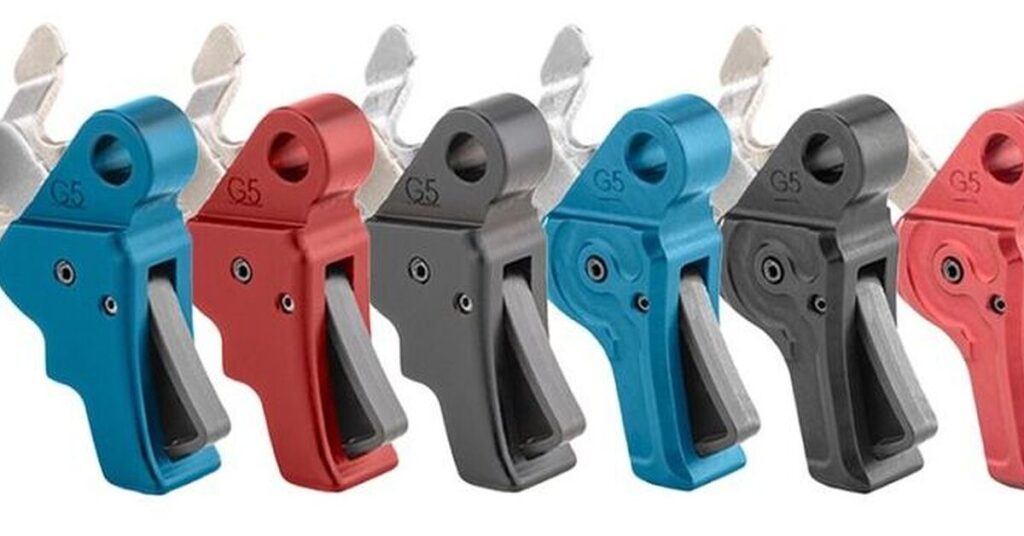
Apex Tactical’s Evo 6 kit is more than a simple parts swap; it’s the first concrete signal that the aftermarket is finally catching up to Glock’s newest platform. By engineering a drop-in assembly that replaces the trigger body, bar, and connector, Apex has removed the usual “file-to-fit” headaches that have kept many Gen 6 owners tethered to factory parts. The move also underscores how Glock’s incremental frame changes—most notably the altered trigger-housing geometry—have created a de-facto moat around the platform, forcing manufacturers to start from scratch rather than simply re-labeling Gen 5 components.
For the broader 2A community, the release is a quiet but important victory for consumer choice. When the only legal way to improve a Gen 6 trigger was to send the pistol off for custom work or risk voiding warranties with ill-fitting aftermarket parts, owners effectively paid a premium for diminished performance. Apex’s decision to limit compatibility to factory Gen 6 frames (G17, G19, G45) also sends a clear message to third-party frame makers: if you want to ride Glock’s popularity, you’ll need to match Glock’s tolerances or risk being left behind. In an era when regulatory pressure on aftermarket accessories is rising, companies that invest in platform-specific engineering help keep lawful modifications firmly in the realm of protected gunsmithing rather than “conversions.”
Ultimately, the Evo 6 kit is a reminder that innovation in the firearms space often follows demand, not regulation. As more departments and civilians adopt Gen 6 pistols, expect other manufacturers to follow Apex’s lead, expanding options and driving prices down. That competitive cycle—rather than any single product—remains the strongest bulwark for maintaining both performance and Second Amendment-protected access to the tools citizens choose to own.


