

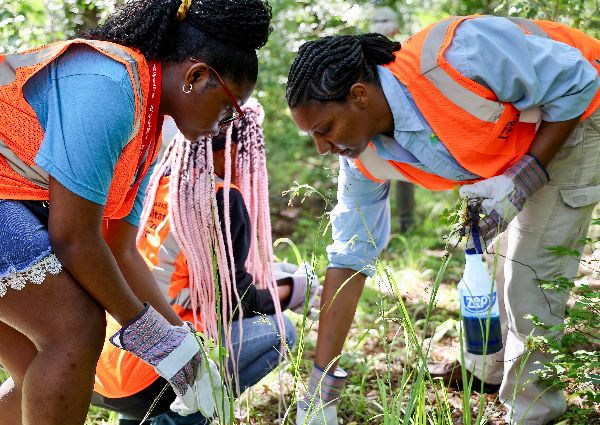
Alabama’s new habitat restoration push isn’t just about pulling weeds—it’s a reminder that public lands are living laboratories where conservation and access intersect. By sending a mobile crew into all 21 state parks to knock back invasives like Chinese tallowtree, the state is investing in the same native ecosystems that hunters, hikers, and recreational shooters rely on for everything from game habitat to safe backstops. The modest $25,000 grant from the Alabama Association of RC&D Councils proves that even small, targeted funding can keep public ranges and trails open by preventing the kind of overgrowth that invites closures or restricts traditional uses.
For the 2A community, the real story lies in the precedent: when state agencies actively steward land instead of letting it degrade, they strengthen the argument that managed public spaces are compatible with responsible firearm use. Healthy, native landscapes support wildlife populations that justify hunting seasons, while cleared sight-lines and maintained trails reduce the safety concerns that anti-access activists often cite. By engaging local volunteers, the program also builds a broader constituency that sees parks as working assets rather than untouchable preserves—an outlook that translates into continued political support for multiple-use policies on both state and federal acreage.
Longer term, the initiative quietly reinforces why Second Amendment advocates should stay engaged with land-management decisions at every level. If invasive species are allowed to choke out native forage and timber, the resulting monocultures can trigger stricter access rules or outright closures under the banner of “restoration.” Conversely, proactive projects like Alabama’s demonstrate that conservation and recreation—including lawful carry and hunting—can coexist when agencies treat sportsmen as partners rather than problems. In short, every tallowtree pulled today is one less reason for tomorrow’s land managers to limit the freedoms we exercise on public ground.


