

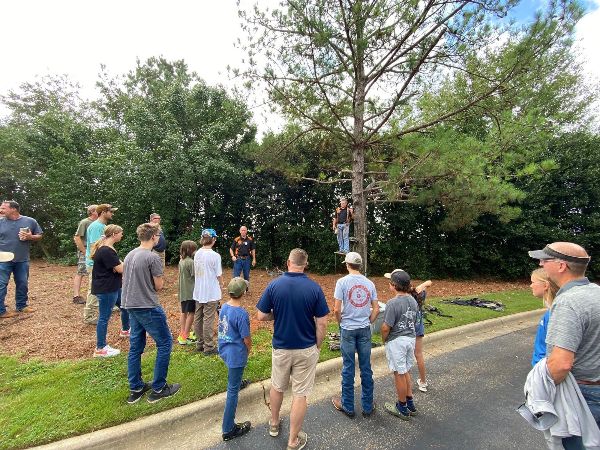
Alabama’s hunter education program is doing more than teaching safety—it’s quietly building the next generation of Second Amendment practitioners who understand that responsible firearm use begins long before the trigger is pulled. By requiring every new hunter to master safe handling, marksmanship fundamentals, and wildlife law, the state is creating a pipeline of citizens who view the gun as both a tool and a constitutional right, not a novelty or a threat. That matters because these graduates will carry those habits into every range session, every deer season, and every conversation about gun policy they have for the rest of their lives.
The timing is strategic. As urban populations grow and anti-hunting sentiment finds new footholds online, Alabama is doubling down on in-person, skills-based instruction that counters the narrative that firearms are inherently dangerous. Graduates leave class not only certified to hunt but also equipped to mentor friends, defend the tradition at school-board meetings, and vote with an informed appreciation for how regulations actually affect real-world safety. In an era when many states are tightening access, Alabama’s approach proves that education expands participation without compromising standards—an argument the broader 2A community can wield when opposing one-size-fits-all restrictions.
Ultimately, these classes illustrate a larger truth: the right to keep and bear arms is sustained by culture as much as by courts. When a state invests in turning novices into knowledgeable stewards, it strengthens the entire ecosystem of shooting sports, conservation funding, and self-defense readiness. The ripple effect reaches far beyond Alabama’s woods; it seeds a nationwide cohort of gun owners who can articulate why the Second Amendment is exercised, not just possessed.


