

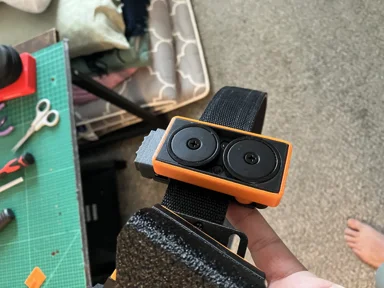
The AdminDock V1 is a clever reminder that the 2A community’s real strength lies in its ability to iterate faster than any bureaucracy can regulate. By pairing a rigid PETG core with a forgiving TPU shell, the designer has solved the classic “strong but brittle” problem that plagues single-material 3D-printed gear, while the Mini Tek-Lok footprint means the same holster body can ride on any competition belt, battle belt, or range-day rig without new hardware. That kind of modularity turns an otherwise niche magazine caddy into a platform that can evolve with the shooter’s needs—whether that’s adding a second magnet for polymer-bodied Glocks or swapping in a different attachment pattern down the road.
What’s quietly radical here is the deliberate rejection of duty-grade retention in favor of speed and simplicity. In an era when some states are trying to redefine “high capacity” or “rapid reload,” this project underscores that lawful gun owners are optimizing for competition stages and safe administrative handling, not building improvised holsters for concealed carry. The BOM is refreshingly ordinary—off-the-shelf 32 mm cup magnets and common M4 hardware—proving that effective gear doesn’t require boutique suppliers or six-figure R&D budgets. That accessibility lowers the barrier for new competitors and home builders alike, reinforcing the idea that the right to keep and bear arms includes the right to tinker, test, and share improvements without waiting for permission slips from legacy manufacturers.
Longer term, the AdminDock’s open-ended roadmap—new mounting patterns, magnet sizes, and non-Glock compatibility—hints at a future where 3D-printed peripherals become as common as aftermarket sights or triggers. Every time a shooter prints, tweaks, and publishes a new variant, the community gains another data point proving that innovation thrives when information flows freely. In that sense, the holster isn’t just a piece of kit; it’s a small act of defiance against the narrative that only government-approved factories should decide how Americans equip themselves.


