

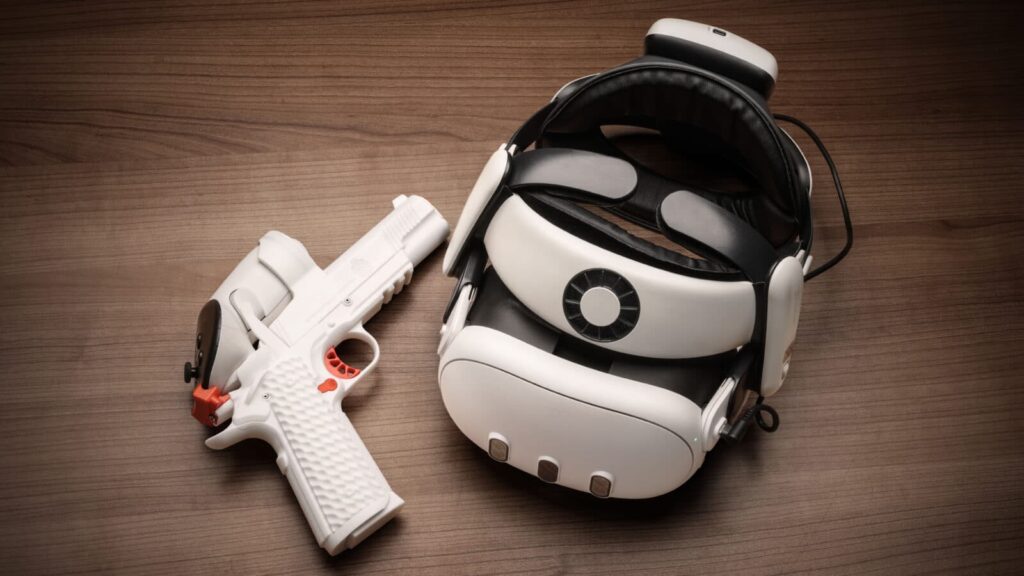
The Ace Virtual Shooting Simulator arrives at a moment when range access is tightening across much of the country, turning what used to be a simple weekend errand into a logistical puzzle of travel, scheduling, and rising lane fees. By letting shooters run drills, test reloads, and refine sight pictures inside their own homes, the system removes the most common friction points that keep people from training regularly. For the 2A community that already treats consistent practice as both a right and a responsibility, this kind of tool isn’t just convenient—it’s a quiet force multiplier that keeps skills sharp even when public ranges are closed, restricted, or priced out of reach.
What makes the simulator especially relevant is how it sidesteps the political and practical barriers that have grown around live-fire training. In states where new restrictions on ammunition purchases or range construction keep surfacing, a high-fidelity virtual option lets enthusiasts maintain proficiency without feeding the narrative that more guns at the range equals more danger. It also creates an on-ramp for new or younger shooters who might otherwise be intimidated by the cost and culture of a traditional range day, potentially expanding the pool of responsible, skilled gun owners at a time when that demographic is under constant scrutiny.
Longer term, devices like Ace’s could shift how the community measures “training,” moving the conversation from how many boxes of ammo were fired to how many deliberate reps were logged under realistic conditions. That data-driven mindset aligns with the broader push for marksmanship standards and insurance discounts tied to documented practice, reinforcing the argument that armed citizens who train are a public-safety asset rather than a liability. In short, the simulator doesn’t replace the range—it protects access to the skills the range exists to build, ensuring the right to keep and bear arms remains paired with the ability to use them competently.


