

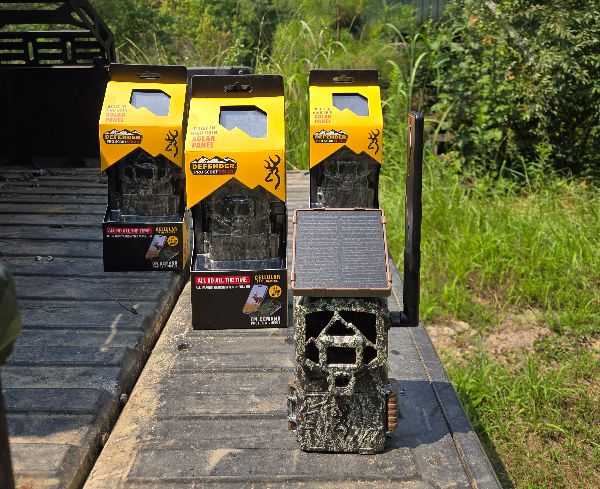
Browning’s 2026 trail-camera rollout is more than a product announcement—it’s a quiet reminder that the Second Amendment isn’t just about the moment of truth at the trigger; it’s about the months of preparation that make that moment ethical, legal, and successful. By giving hunters both cellular and traditional SD-card options, Browning is acknowledging that today’s sportsmen operate in two very different regulatory worlds: one where real-time data can be beamed from the woods without ever stepping foot on the property, and another where older statutes still treat a memory card as the only acceptable form of record-keeping. That dual-track strategy isn’t just good business; it’s a hedge against the slow creep of surveillance-based wildlife rules that could one day redefine what counts as “fair chase.”
For the 2A community, the deeper implication is cultural as much as technological. Early-season intel gathered by these cameras lets hunters pattern game movement with precision, reducing the odds of a rushed or marginal shot when opening day finally arrives. In an era when anti-hunting activists push “evidence-based” restrictions on everything from baiting to thermal optics, the ability to document consistent, non-wasteful harvest becomes its own form of advocacy. Browning’s cameras, in other words, aren’t merely scouting tools—they’re instruments that help sportsmen build the data trail that proves responsible stewardship, the very thing that keeps public support for hunting (and by extension, gun ownership) intact.
Ultimately, the 2026 lineup underscores a larger truth: the modern hunter’s first “shot” isn’t fired from a rifle but captured by a lens in January. Those images and movement logs shape everything from land-management decisions to legislative testimony. In that sense, Browning isn’t just selling cameras; it’s arming the community with the foresight and documentation necessary to defend both the hunt and the right to bear arms long after the season closes.


