

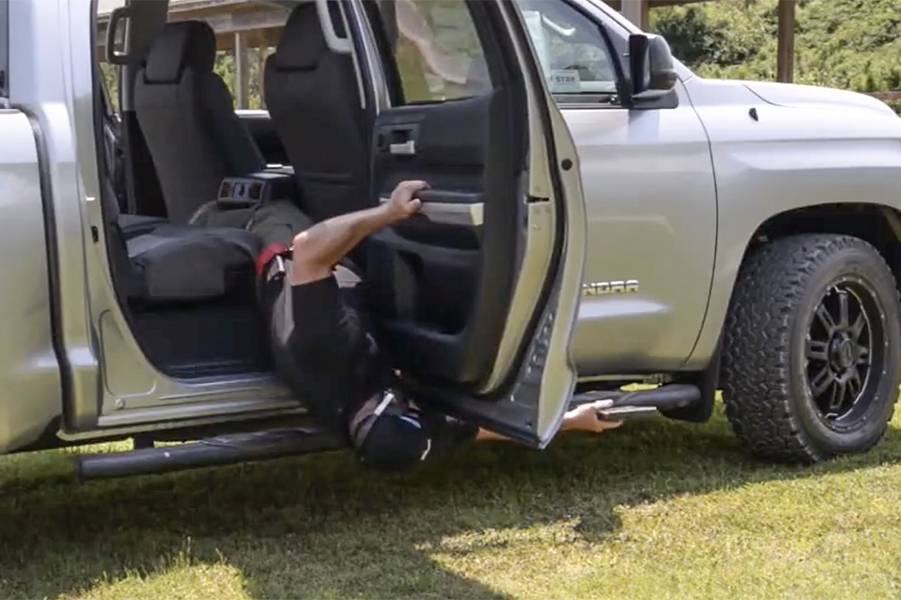
Gun content creators wield enormous influence over how millions of viewers perceive safe, competent firearms handling, yet too many still chase viral moments by glamorizing sloppy reloads, finger-on-trigger habits, or theatrical muzzle sweeps that would get anyone kicked off a real range. When those shortcuts are packaged as “cool,” they quietly erode the hard-won credibility the 2A community has spent decades building with lawmakers and the public; every careless clip that racks up likes becomes exhibit A for the next round of “guns are dangerous” legislation. The real scandal isn’t just the momentary lapse on camera—it’s the downstream effect on new shooters who copy the behavior, range-safety briefings that now must un-teach internet tricks, and the ammunition it hands to anti-2A activists looking for any excuse to paint lawful gun owners as reckless.
Creators who treat safety as optional also undercut the strongest argument we have for expanded rights: that responsible, trained citizens are the best hedge against both crime and tyranny. When the same channels that rail against magazine bans or permitting schemes then post footage of flagging bystanders or dropping loaded firearms for dramatic effect, they hand critics a ready-made rebuttal—“If you can’t even handle guns safely on YouTube, why should we trust you with constitutional carry?” The fix isn’t censorship; it’s demanding higher production standards that pair entertainment with explicit safety call-outs, slow-motion breakdowns of correct technique, and on-screen disclaimers that separate Hollywood flair from range protocol. In an era when every frame can be clipped and weaponized, the creators who consistently model discipline aren’t just protecting their own channels—they’re reinforcing the cultural foundation that keeps the Second Amendment politically viable.


