

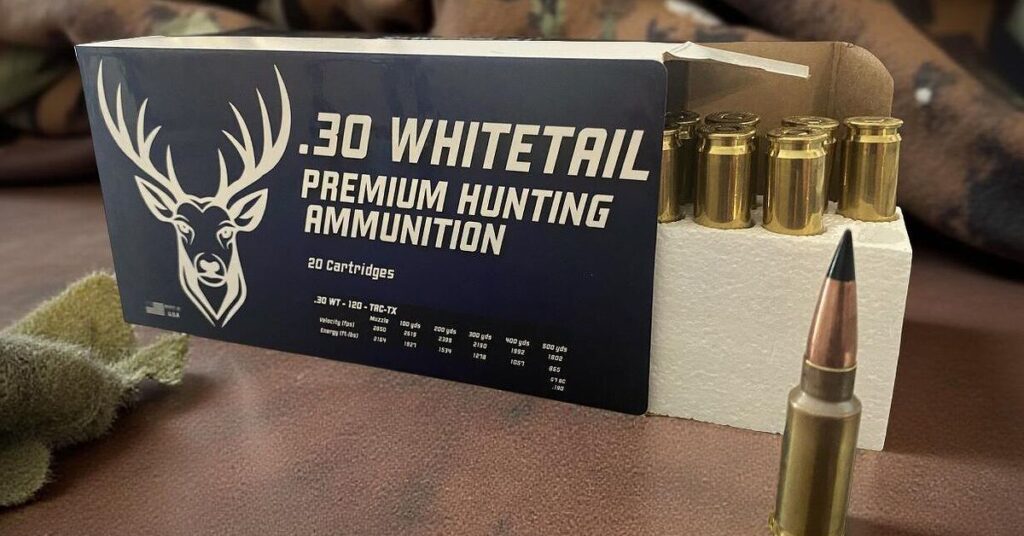
The push for a purpose-built 30-caliber straight-wall cartridge for Illinois isn’t just another “because we can” wildcat; it’s a direct response to the Prairie State’s rigid straight-wall mandate that effectively sidelines many of the most popular modern deer rounds. By marrying the proven terminal performance of a .30-caliber bullet with a case short enough to satisfy Illinois’ overall-length rules, the new round gives hunters a legal option that still delivers the downrange energy and bullet selection most flat-shooting bottleneck cartridges enjoy elsewhere. That matters because every time a state draws an arbitrary line in the sand—whether it’s minimum caliber, case length, or straight-wall geometry—it chips away at the practical freedom to choose the most effective, ethical tool for the job.
For the broader Second Amendment community, this development is both a workaround and a warning. It proves that determined shooters and small manufacturers can engineer around legislative roadblocks, keeping hunting viable even in heavily regulated states, yet it also underscores how quickly access to effective arms can be narrowed by rules that sound technical but function as de-facto restrictions. When law-abiding citizens must invent an entirely new cartridge simply to hunt deer inside their own borders, the conversation shifts from “sporting purposes” to fundamental questions of whether such micromanagement serves any legitimate public-safety goal or merely normalizes the idea that the government gets to decide which modern firearms technologies are acceptable. In that light, the 30 Whitetail isn’t merely a new deer round; it’s a case study in how regulatory creep quietly erodes the practical exercise of the right to keep and bear arms.


