

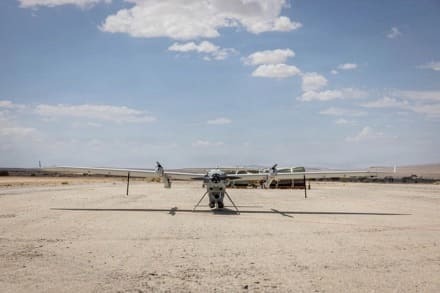
The Marine Corps’ first conventional-level test of the JUMP 20-X Group 3 UAS paired with the Switchblade 300 Block 20 loitering munition is more than a technology demonstration—it’s a signal that the service is finally closing the gap between elite special-operations kit and what an ordinary rifle company can carry into a peer fight. By launching a runway-independent, 30-pound drone that can orbit for hours and then hand off coordinates to a man-portable, six-pound “kamikaze” missile, 2nd Marines proved that small units can now generate their own persistent ISR and on-call precision strike without waiting for an F-35 or an artillery battery. For Second Amendment advocates, the lesson is unmistakable: the same miniaturization and cost curve that lets a Marine platoon field an organic “eyes-and-fist” capability is also driving the commercial proliferation of small drones and guided munitions. If the Corps can hand this power to 19-year-old corporals, the notion that only the government should possess “weapons of war” collapses under its own weight.
Equally important is the doctrinal ripple effect. Twenty-Nine Palms is not a black-program range; it is the Corps’ premier live-fire venue for regular line units. When a regimental combat team validates these systems under the same Service Level Training Exercise that evaluates artillery and close-air support, the technology graduates from “nice to have” to “table stakes.” That normalization accelerates fielding timelines, drives down unit prices, and seeds a domestic industrial base hungry for export sales. The 2A community should watch the after-action reports closely: every sensor fusion algorithm and fire-control software package that survives the desert will eventually appear in civilian hands—whether through Defense Department surplus sales, dual-use component suppliers, or the inevitable trickle-down of Chinese clones. Far from threatening individual liberty, this democratization of precision effects underscores why an armed citizenry equipped with modern small arms remains relevant even in an age of drones and missiles.


