

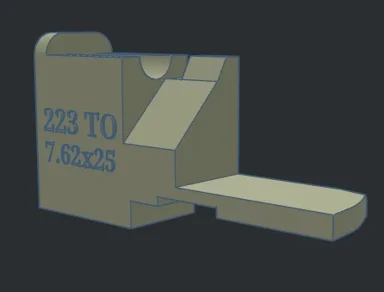
The Harbor Freight mini cut-off saw just became the unlikely hero of a new 3D-printed trim jig that lets reloaders convert .223 brass into 7.62×25 Tokarev cases with repeatable precision. By locking the case head in a custom fixture and guiding the abrasive wheel along a fixed stop, the jig turns an inexpensive hardware-store tool into a purpose-built case trimmer that costs less than a single box of premium ammunition. What makes this noteworthy is not merely the cost savings, but the way it embodies the broader shift in the 2A community toward open-source tooling that democratizes obscure or hard-to-source calibers.
Instead of waiting for mainstream manufacturers to decide which cartridges are worth supporting, makers are now designing jigs, dies, and even progressive presses that can be printed or machined at home. The .223-to-7.62×25 conversion is a perfect example: Tokarev pistols and carbines remain popular in many parts of the world, yet factory ammunition is often scarce or expensive in the United States. By publishing the STL files under permissive licenses, the designer invites anyone with a printer and that little Harbor Freight saw to keep classic Combloc guns fed without relying on dwindling surplus imports.
The deeper implication is cultural as much as practical. Each new tool released into the FOSSCAD and Gatalog ecosystems lowers the barrier to experimentation and self-reliance, reinforcing the idea that the right to keep and bear arms includes the right to manufacture and maintain what you bear. Far from being a niche hack, this trim jig is a quiet assertion that innovation in the firearms space will increasingly come from distributed networks of citizen-makers rather than from legacy industry gatekeepers.


