

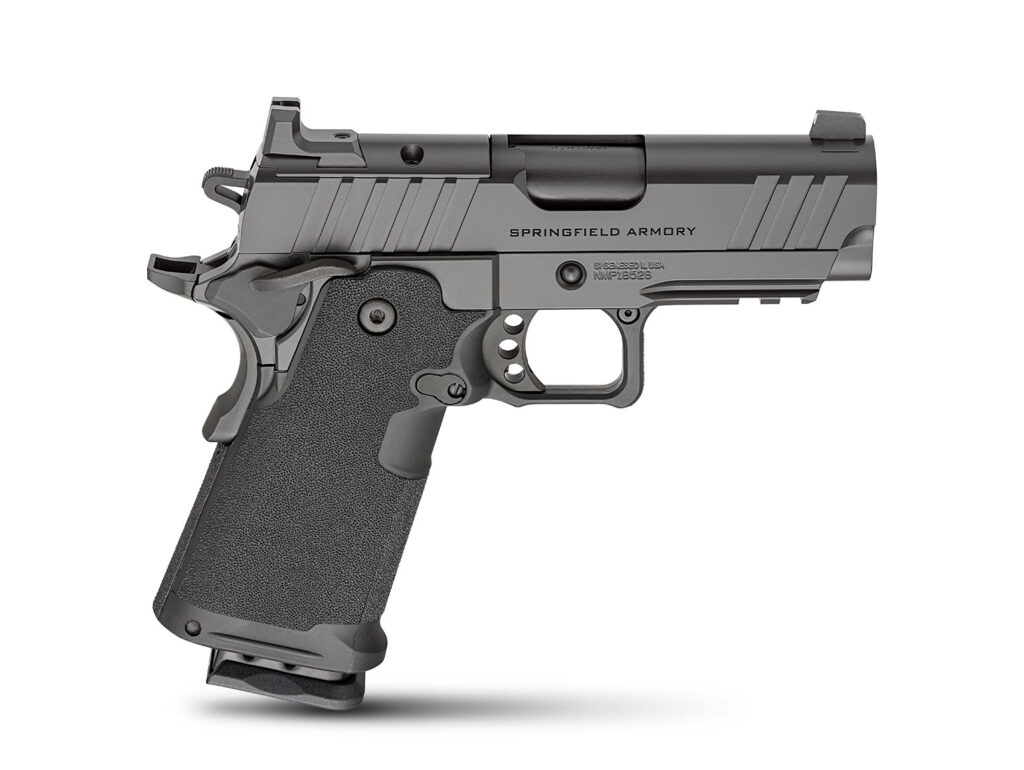
Springfield Armory’s decision to bring the 1911 DS Prodigy down to a 3.5-inch barrel with an AOS optic-ready cut is more than a simple size reduction; it’s a deliberate attempt to merge the 1911’s single-action trigger discipline with the modern micro-compact carry niche that Hellcat owners already dominate. By keeping the double-stack 9 mm magazine architecture and threading the barrel, the company is betting that enthusiasts who once dismissed 1911s as range queens will now see a daily-carry option that preserves the crisp 1911 reset while delivering 17-plus-one capacity in a package shorter than many striker-fired “micros.” The move also dovetails with the brand’s broader AR and Hellcat ecosystem: the same customer who buys a Hellcat for appendix carry can now add a Prodigy variant that shares magazines, optics plates, and the same manual-of-arms philosophy, tightening brand loyalty in a way few competitors can match.
For the 2A community, the Prodigy’s launch underscores a larger trend—manufacturers are no longer content to let legacy platforms remain relics; they are actively modernizing them to blunt the argument that traditional firearms are obsolete for self-defense. Optics-ready slides, accessory rails, and double-stack capacity answer the practical objections once leveled at 1911s, while the single-action trigger and grip safety retain the training and liability advantages that many instructors still prefer. In an era of magazine-capacity litigation and “assault weapon” proposals, a pistol that is simultaneously classic and contemporary becomes both a defensive tool and a cultural statement: it demonstrates that Second-Amendment culture is adaptive rather than static, capable of evolving without surrendering its core identity.


