

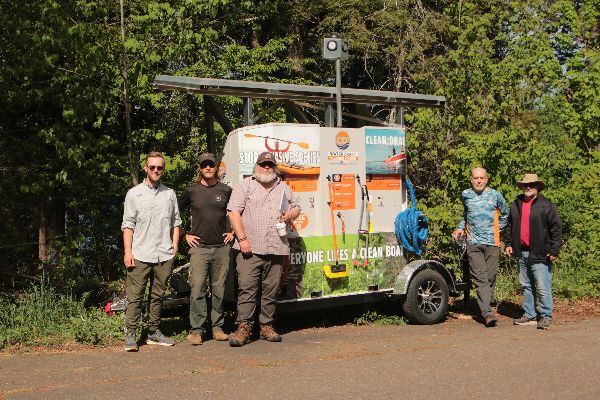
Wildlife Forever’s new network of solar-powered CD3 cleaning stations at Michigan boat launches is a textbook example of proactive, community-driven conservation that keeps invasive species from hitchhiking across state lines on hulls and trailers. By giving boaters high-pressure air, vacuums, and brushes to “Clean, Drain, and Dry” their craft before they hit the next lake, the partnership between Wildlife Forever, the Michigan DNR, and Ottawa National Forest is cutting off the primary vector for zebra mussels, Eurasian watermilfoil, and other aquatic invaders that can devastate fisheries and recreation economies. The Great Lakes Restoration Initiative funding underscores how targeted federal dollars, when paired with local initiative, deliver measurable results without new layers of regulation.
For the 2A community the lesson is clear: responsible outdoor access is best protected by voluntary, technology-enabled solutions rather than top-down restrictions that could eventually reach firearms, vehicles, or public lands. Hunters, anglers, and recreational shooters who rely on boats, ATVs, and trucks to reach remote ranges and hunting grounds have a direct stake in keeping those access points open and unencumbered; every invasive-species incident invites calls for tighter launch permits, seasonal closures, or even outright bans on certain watercraft. By embracing and publicizing tools like the CD3 stations, Second Amendment advocates demonstrate that the same culture of preparedness and self-reliance that defends constitutional carry also defends clean waterways and healthy game populations.
The broader implication is that pro-2A voices should treat habitat integrity as a core civil-rights issue. When invasive species collapse a fishery, the ripple effect hits shooting sports indirectly through lost tourism, reduced license revenue for conservation programs, and political pressure to restrict motorized access. Supporting rapid-response infrastructure like these cleaning stations is therefore both good stewardship and smart political strategy—proof that armed, outdoors-oriented citizens are the most reliable partners in preserving the places where they train, hunt, and pass on the shooting tradition.


