

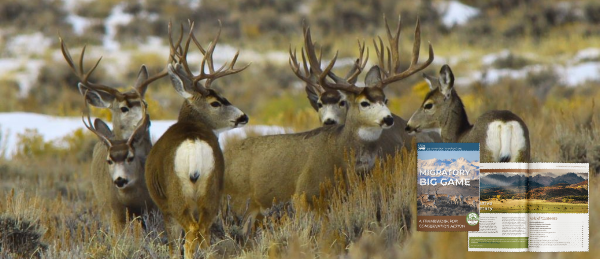
The USDA’s new West-Wide Migratory Big Game Framework is more than another federal checklist—it’s a practical reminder that the health of elk, mule deer, and pronghorn herds depends on keeping large, connected tracts of land open and accessible. By targeting barriers to movement and funding habitat improvements across seventeen states, the agency is acknowledging what hunters have long known: when winter ranges, migration corridors, and fawning grounds shrink or get chopped up by roads and subdivisions, game populations follow. For the 2A community this matters because the same landscapes that sustain huntable numbers are the places where millions of Americans exercise their right to keep and bear arms in the field; lose the habitat and you lose both the wildlife and a core justification for public-land access.
Equally important is who gets a seat at the table. The framework explicitly calls for partnerships with states, private landowners, and conservation groups—precisely the coalition that has funded habitat work through Pittman-Robertson dollars generated by firearm and ammunition sales. When those dollars help purchase easements or remove fence that blocks pronghorn, Second Amendment supporters see a direct return on their investment rather than another regulatory hurdle. At the same time, the plan’s emphasis on “reducing movement barriers” could open the door to well-intentioned but poorly designed restrictions on motorized access or seasonal closures; the 2A community will need to stay engaged so that habitat goals translate into practical management, not new limits on lawful hunting and shooting.
In short, the USDA’s announcement is an opportunity to reinforce the link between healthy big-game populations and a robust right to bear arms. Hunters who fund habitat through every box of ammo they buy now have another federal platform to point to when defending public access and resisting efforts to shrink the footprint of hunting on federal land. If the framework succeeds, western states keep their iconic herds and the constitutional culture built around them stays intact; if it falters or is hijacked by access-restriction advocates, both wildlife and the Second Amendment lose ground.


