

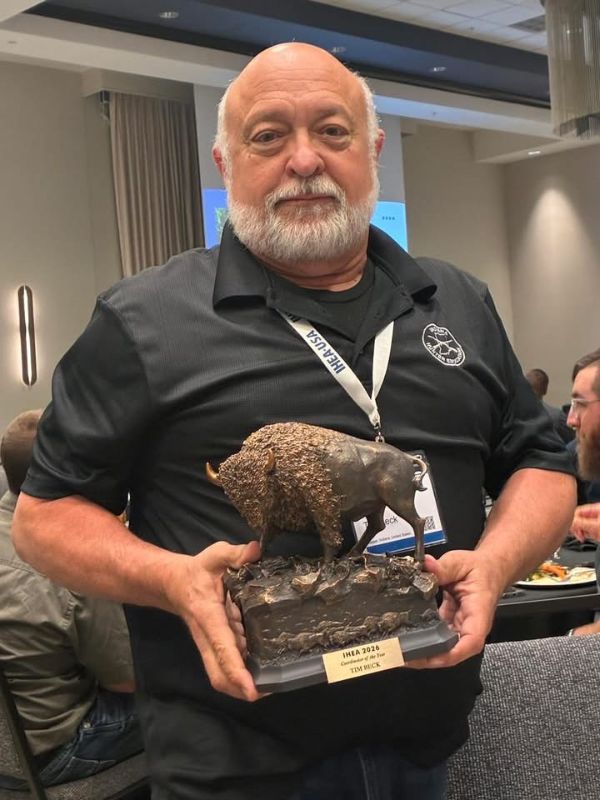
In a landscape where anti-hunting activists and urban legislators often paint wildlife officers as adversaries to gun owners, the national recognition of Indiana DNR officers Tim Beck and Tony Mann serves as a powerful reminder that the most effective conservation work happens when experienced shooters and hunters occupy those roles. Beck’s Hunter Education Coordinator of the Year Award underscores how rigorous, firearms-centric safety training directly feeds the pipeline of new, responsible gun owners—each graduate another data point proving that regulated access paired with marksmanship education sustains both game populations and shooting culture. Mann’s Tom Gallagher Award for tree-stand safety, meanwhile, highlights the granular, real-world risk management that keeps hunters in the woods season after season, preserving the lived experience that turns abstract Second Amendment arguments into daily practice for hundreds of thousands of Hoosiers.
These honors arrive at a moment when several states are debating whether to shift hunter-education duties away from conservation departments altogether, often under the banner of “civilianizing” the process. Indiana’s approach—keeping credentialed, field-seasoned DNR officers at the helm—demonstrates that institutional knowledge about ballistics, safe gun handling, and wildlife biology is not easily replicated by outside contractors. The result is tighter feedback loops: officers see which lessons actually reduce incidents, adjust curricula in real time, and maintain credibility with the very community whose continued participation funds habitat work through excise taxes and license revenue.
For the broader 2A community, the takeaway is strategic rather than symbolic. Every well-trained hunter who returns home safely is living proof that firearms proficiency and conservation ethics are mutually reinforcing, not mutually exclusive. Supporting state agencies that embed experienced shooters in leadership positions is therefore both a cultural and a policy investment—one that quietly strengthens the argument that gun owners are the original and still most effective stewards of the land they hunt.


