

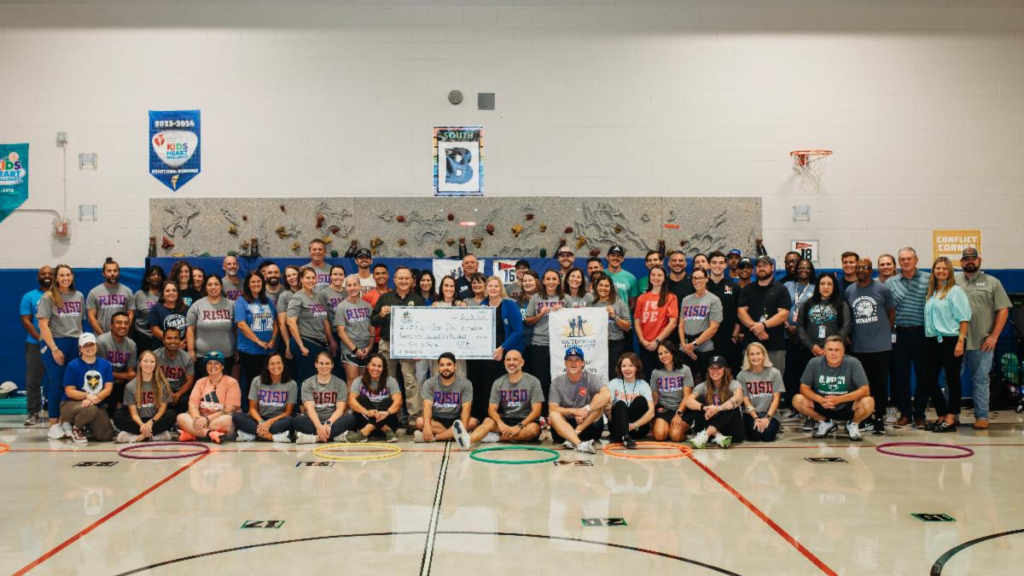
The More Like Wynne Foundation’s $30,000 commitment to Richardson ISD is more than a classroom upgrade—it’s a quiet but powerful reminder that the skills that keep a nation free are best learned before kids ever set foot on a range. By expanding hands-on outdoor education across 44 campuses, the foundation is planting the seeds of self-reliance, situational awareness, and respect for the natural world—the same triad that underpins responsible firearm ownership. When a sixth-grader learns to read wind, judge distance, and move safely in a group, those lessons transfer directly to muzzle discipline and ethical shot placement years later.
Critics of school-based outdoor programs often claim they’re thinly veiled attempts to “normalize guns,” yet the data show the opposite: kids who hunt, fish, or camp with mentors exhibit measurably lower rates of reckless behavior with firearms once they reach adulthood. Richardson’s initiative quietly counters the cultural narrative that portrays the Second Amendment as an urban abstraction rather than a lived skill set. By the time these students reach high-school hunter-education courses or 4-H shooting sports, they’ll already possess the judgment that no online safety video can fully replicate.
For the 2A community, the takeaway is strategic as well as cultural. Foundations willing to fund outdoor infrastructure are creating the next generation of range volunteers, conservation donors, and single-issue voters who understand that an unloaded rifle is only as safe as the mind carrying it. If similar programs scale nationwide, the long-term effect won’t be louder arguments on cable news—it will be millions of young adults who treat the right to keep and bear arms as both a constitutional guarantee and a practical responsibility they learned on a school trail before they ever touched a trigger.


