

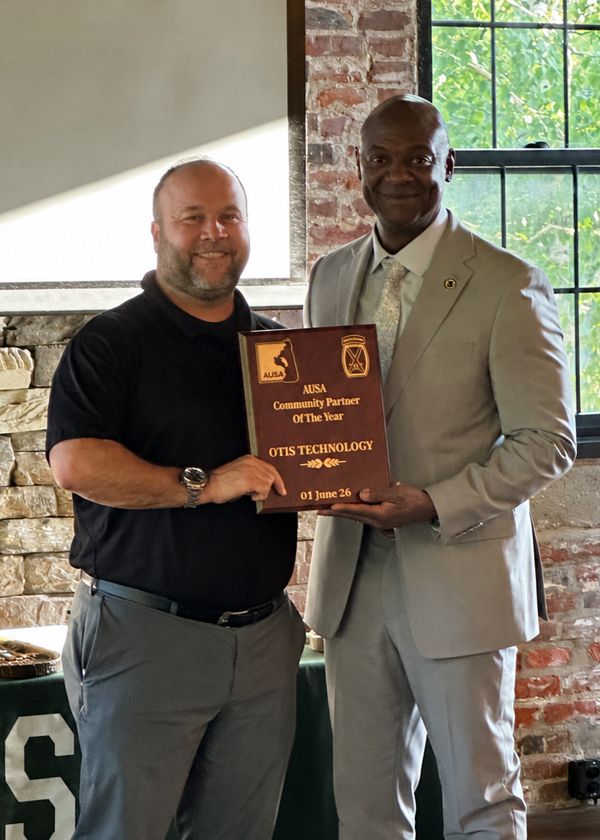
Otis Technology’s recognition as the 2026 Northern New York–Fort Drum Chapter AUSA Community Partner of the Year isn’t just a feel-good plaque for the trophy case—it’s a signal that the company’s long-standing focus on soldier-centric innovation is paying dividends in both the armory and the community. By embedding itself in the daily lives of Fort Drum troops and their families through sustained charitable work and direct support programs, Otis has quietly positioned its cleaning systems and maintenance tools as more than accessories; they’re force-multipliers that keep rifles running when it counts. That kind of grassroots credibility travels fast among service members who rotate back to civilian life, carrying both their rifles and their brand loyalties with them.
For the broader 2A community, this award underscores a strategic truth: companies that treat military support as genuine partnership rather than marketing theater earn durable goodwill that translates into political and cultural capital. Otis’s presence near a major Army installation gives it a front-row seat to real-world feedback on gear performance under extreme conditions, feedback that ultimately benefits civilian shooters who demand the same reliability from their personal firearms. In an era when anti-Second Amendment voices try to paint the firearms industry as detached from “real America,” stories like this remind legislators and the public that many of the same companies keeping soldiers’ weapons mission-ready are also the ones sponsoring youth marksmanship programs, veteran employment initiatives, and local charity drives.
The ripple effects extend beyond one chapter’s banquet. As Otis’s reputation for community stewardship grows, it strengthens the argument that responsible gun ownership and military service are overlapping pillars of American civic life rather than competing narratives. That alignment matters when policy fights shift from the range to the ballot box; voters who see a company actively investing in soldiers and families are far more likely to view its products—and the rights those products defend—as worth protecting.


