

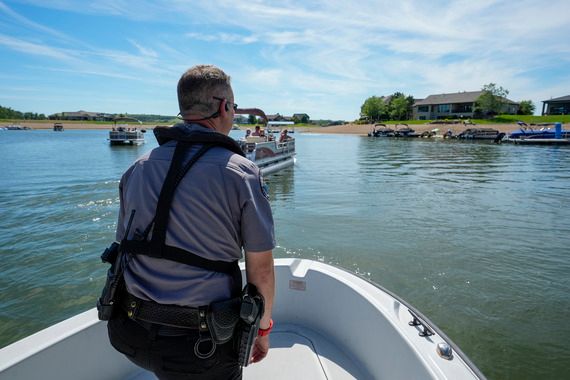
North Dakota’s Game and Fish Department is about to turn the holiday weekend into a floating checkpoint zone, and the timing is no accident. By flooding high-traffic waterways with extra officers during the busiest three days of the year, the state is signaling that recreational boaters will face the same zero-tolerance scrutiny usually reserved for motorists. The national “Operation Dry Water” campaign, backed by the Coast Guard and state boating administrators, frames this as public-safety theater, yet the practical effect is an expansion of law-enforcement presence into spaces where many citizens assume they enjoy greater freedom from routine inspection. For Second Amendment supporters, the message is clear: if agencies can normalize sobriety checkpoints on lakes without legislative pushback, the same logic can—and will—be applied to carry-permit holders at boat launches, campgrounds, and remote put-ins.
The deeper implication lies in how these temporary enforcement surges become permanent policy fixtures. Once officers are trained and funded to treat every vessel as a potential DUI stop, the infrastructure for broader regulatory encounters is already in place; all that remains is to widen the list of “compliance checks” to include magazine capacity, safe-storage rules, or even the presence of a holstered sidearm. North Dakota’s strong shall-issue culture and constitutional-carry statute make it an unlikely test bed for overt disarmament, yet the precedent still matters: rights exercised on public waters are only as secure as the political will to defend them against mission creep. Boaters who also carry should treat the holiday weekend as a reminder that vigilance doesn’t end at the shoreline—document every contact, know the difference between a safety inspection and a fishing expedition for probable cause, and be prepared to politely but firmly assert that a holstered firearm is not evidence of impairment.
Ultimately, the story isn’t really about drunk boaters; it’s about how easily an ostensibly narrow public-safety initiative can normalize expanded state presence in spaces long considered lightly regulated. The 2A community has watched similar “temporary” measures harden into routine traffic stops, airport screenings, and red-flag encounters; waterways are simply the next frontier. Keeping an eye on these holiday enforcement spikes is therefore less about opposing sober boating and more about preventing the slow conversion of every public space into a presumptive compliance zone.


