

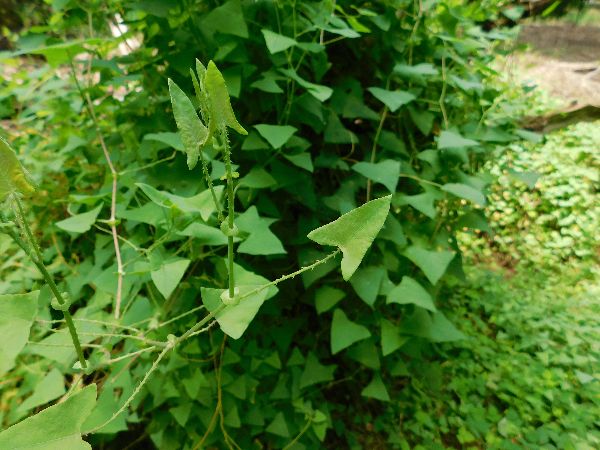
In the rolling fields and wood edges of southern Michigan, a tiny Asian weevil is about to be turned loose against mile-a-minute weed, an aggressive vine that can blanket native plants and choke out habitat faster than most landowners can keep up. The Barry, Calhoun, Kalamazoo CISMA and Grand Valley State University researchers will release the first batch this June, then track how well the weevils chew through the invader’s tender stems and growing tips. It’s a classic case of importing one non-native species to police another—an approach that has worked in other states since 2004—but it also underscores a larger truth: when government agencies and universities decide what “belongs” on the landscape, they are making choices that ripple straight into the private property rights that Second Amendment advocates hold dear.
For the 2A community, the story is less about beetles and more about who ultimately controls the ground beneath our feet. Mile-a-minute weed doesn’t respect fence lines; it creeps across public and private land alike, and the tools used to fight it—whether chemical, mechanical, or biological—can quickly become regulatory hammers. Once a weevil is declared the official solution, will landowners still be free to choose their own methods, or will permits, restricted zones, and “best management practices” start limiting how, when, and with what they defend their acreage? History shows that invasive-species programs often expand into broader land-use rules; the same logic that justifies releasing insects today can justify restricting access or even firearm discharge tomorrow if officials decide certain parcels are now “sensitive habitat.”
The real test will come after the first weevils are counted and the data sheets are filed. If the program succeeds, expect calls to scale it statewide; if it falters, expect louder demands for heavier-handed interventions. Either way, the episode is a reminder that vigilance over property rights must extend beyond the gun safe. When the next “solution” arrives—whether it crawls on six legs or rolls in on a government truck—armed citizens who also stay engaged in local land-management decisions will be the ones best positioned to keep both their ground and their freedoms intact.


