

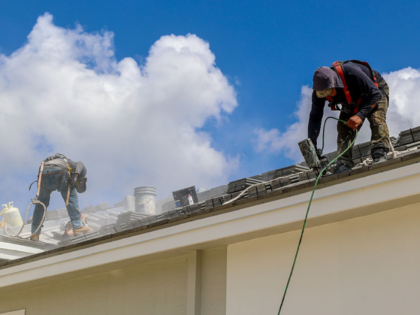
When a North Carolina roofing crew climbed up to inspect a sagging ridge line, they found more than missing shingles—they found a veteran’s home literally one storm away from caving in. Instead of walking away from the job, the contractors sounded the alarm, and within days a coalition of local nonprofits, church groups, and material suppliers had mobilized to give the Navy vet a brand-new roof at zero cost. The story is heart-warming on its face, but it also underscores a deeper truth: the same spirit of self-reliance and mutual aid that keeps a roof over a veteran’s head is the very ethic that animates the 2A community. When institutions falter or budgets run dry, it is neighbors, small businesses, and civic clubs—not distant bureaucracies—that step into the breach, armed with skill, grit, and a conviction that freedom includes the right to defend one’s own castle.
That impulse to “handle it ourselves” is precisely why the right to keep and bear arms resonates so strongly with veterans and first-responders. A man who once swore an oath to the Constitution understands that rights are not grants from government; they are safeguards against its absence. The same principle that compels volunteers to swing hammers on a weekday morning is what drives countless 2A advocates to mentor new shooters, staff range safety classes, and organize community defense workshops. In both cases, the lesson is identical: preparedness is love in action. A secure home and a practiced trigger finger are two sides of the same coin—each a tangible expression of the belief that free citizens look after their own rather than wait for permission slips.
For the 2A community, the takeaway is straightforward: every act of voluntary service strengthens the cultural case for an armed populace. When outsiders see roofers, veterans’ groups, and church teams rally without federal marching orders, the caricature of gun owners as isolated or anti-social collapses under its own weight. Instead, the public glimpses a parallel society in which responsibility and readiness are currency. That visibility matters. It reminds fence-sitters that the Second Amendment is not a relic of rugged individualism alone; it is the legal cornerstone of a wider ecosystem of private initiative—one that keeps both roofs intact and rights secure long after the scaffolding comes down.


