

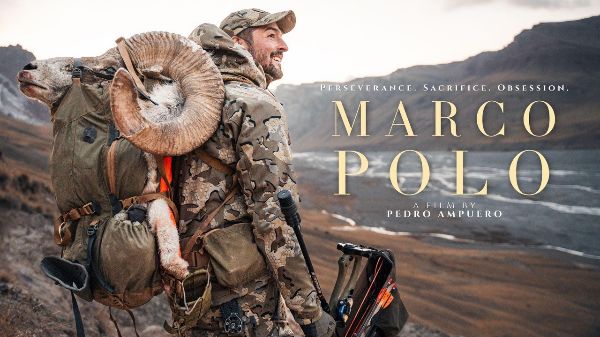
Leupold’s decision to back Pedro Ampuero’s “Marco Polo: Bowhunting the Impossible” is more than a marketing move—it’s a deliberate showcase of how premium optics serve as force-multipliers for the modern hunter who refuses to be confined by geography or regulation. Ampuero’s film follows a quest that spans continents and pushes both physical endurance and legal navigation to their limits, reminding viewers that the same glass that gathers first and last light on an elk ridge also lets an archer thread a needle at distances once thought impossible. In an era when anti-hunting activists and incremental gun-control advocates routinely conflate optics with “loopholes,” the project quietly underscores a core 2A truth: the right to keep and bear arms is hollow without the right to use them effectively, whether the tool is a scoped rifle or a precisely ranged compound bow.
What makes the film especially resonant for the firearms community is its implicit argument that marksmanship and situational awareness are universal skills, not niche hobbies. Every frame that lingers on reticle subtensions or turret adjustments doubles as free training content for anyone who has ever dialed elevation on an AR or zeroed a red-dot on a defensive carbine. By celebrating the discipline required to hunt “the impossible,” Leupold is also normalizing the idea that civilians should be trusted with tools that extend human senses and accuracy—tools that, in the wrong political climate, could be next on the restriction list.
The larger implication is cultural. Stories like Ampuero’s keep the broader public from reducing hunting and shooting sports to caricatures; they humanize the practitioners and demonstrate tangible conservation funding through license sales and excise taxes. When a major optic maker invests in cinematic proof that disciplined civilians can operate responsibly across borders and ecosystems, it pushes back against the narrative that only government agents or the ultra-wealthy should enjoy advanced aiming technology. In short, “Marco Polo” isn’t just about one man’s bow; it’s about preserving the ecosystem of rights, gear, and mindset that lets 2A citizens remain both capable and free.


