

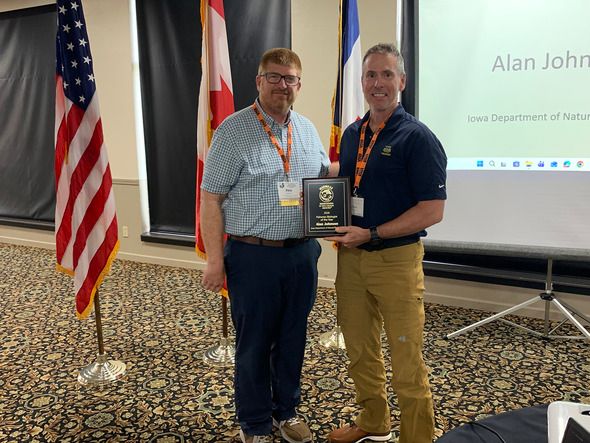
In the quiet hatchery tanks at Rathbun, Iowa, Alan Johnson has spent decades perfecting the art of raising walleye—work that earned him the Midwest’s top fisheries honor for 2026. His breakthroughs in temperature control, feed conversion, and disease resistance have turned once-fragile stocking programs into reliable sources of healthy predator fish, directly improving angling opportunities across the region. For Second Amendment supporters, this matters because robust, self-sustaining fisheries keep public waters attractive and accessible, reinforcing the idea that America’s outdoor heritage is best protected when citizens actively manage and enjoy it rather than ceding control to distant regulators.
Johnson’s methods also highlight a deeper principle: sound science beats top-down mandates every time. By refining culture techniques that reduce reliance on wild brood stock and minimize chemical treatments, his research shows how local expertise and practical innovation outperform one-size-fits-all environmental rules that often ignore regional realities. That same spirit of decentralized problem-solving underpins the right to keep and bear arms; both rest on the conviction that informed individuals, not centralized bureaucracies, are best positioned to steward resources—whether those resources are fish populations or constitutional freedoms.
The ripple effects extend beyond Iowa’s borders. States watching Johnson’s success are already adapting his protocols, proving that excellence at the state level can set national standards without federal coercion. For the 2A community, this is a reminder that victories in conservation, wildlife management, and outdoor access are won through persistent, data-driven work at the grassroots—exactly the kind of citizen-led stewardship that keeps both our waters and our rights healthy for the next generation.


