

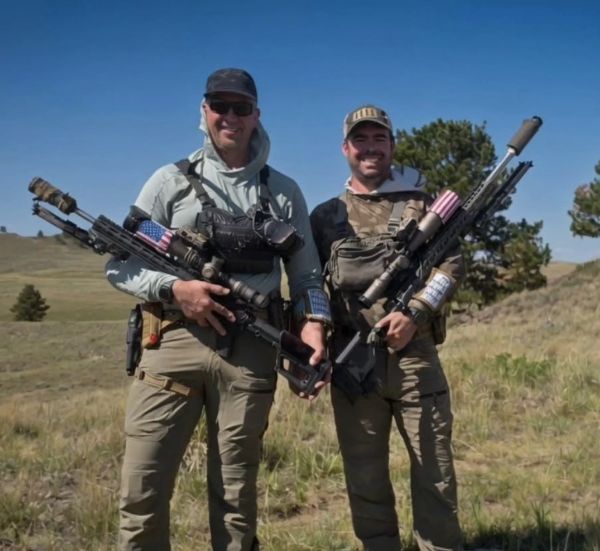
In the high-desert wind of Wyoming, two Hornady-sponsored marksmen just reminded the shooting world why precision rifle competition remains one of the purest expressions of the Second Amendment in action. Hamilton and Murphy didn’t merely out-shoot a stacked field; they demonstrated that the same skills—wind calls, ballistic solutions, and disciplined trigger control—translate directly from the firing line to the defense of hearth and home. Their victory with factory Hornady ammunition underscores a larger truth: the gear civilians can lawfully purchase today is every bit as capable as what once required a government armory, proving that technological parity between citizen and state is not theory but measurable fact on the clock.
What makes this win especially resonant is the tactical-rifle format itself. Unlike static bullseye matches, these events force competitors to solve unknown-distance problems under time pressure while moving between positions—an abbreviated version of the scenarios private citizens might face when seconds count. By dominating with over-the-counter match ammo rather than hand-loaded exotics, Hamilton and Murphy quietly dismantled the tired narrative that only “military-grade” hardware belongs in civilian hands. Their performance sends an unmistakable signal to legislators eyeing magazine bans or velocity restrictions: the citizen marksman is not a relic; he is current, competitive, and constitutionally protected.
For the broader 2A community the takeaway is strategic as well as symbolic. Every public victory by sponsored shooters generates measurable goodwill among fence-sitting sportsmen and supplies hard data— chronograph readings, group sizes, hit probabilities—that can be cited in future court filings or legislative hearings. Hornady’s decision to back these athletes is therefore more than marketing; it is quiet infrastructure-building for the legal and cultural defense of the right to keep and bear arms. When the next regulatory skirmish arrives, the Wyoming results will already be in the record, showing that an armed, trained populace is not a danger but a demonstrated asset.


