

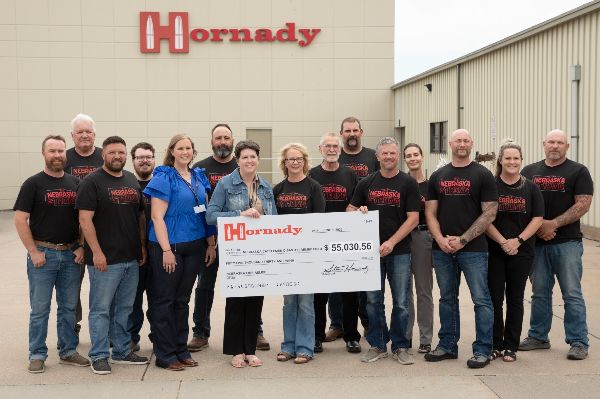
In a move that underscores the deep, often-overlooked ties between America’s firearms industry and its rural heartland, Hornady Manufacturing just handed over $55,030.56 to the Nebraska Cattlemen’s Disaster Relief Fund—every penny raised through the sale of their precision ammunition. That figure isn’t just charity; it’s a direct recirculation of 2A dollars back into communities that literally feed the nation. When wildfires torch grazing land, the same ranchers who keep cattle on the hoof are also the folks who keep rifles in the rack for predator control, varmint work, and the defense of isolated property. Hornady’s donation quietly reminds us that the right to keep and bear arms isn’t an abstract slogan—it’s an economic engine that can bankroll recovery when disaster strikes.
What makes this story especially potent for the 2A community is the unspoken contrast it draws with coastal narratives that paint gun makers as detached from “real America.” Here, a Nebraska-based company whose products are engineered for accuracy and reliability is also engineering goodwill in the very counties where those products see daily use. The funds will help restock herds, repair fences, and restore water systems—investments that keep multi-generational ranches viable. In an era when regulatory pressure and cultural attacks on the industry are relentless, stories like this serve as living proof that Second Amendment commerce and rural stewardship are two sides of the same coin. When the next legislative assault arrives, these ranchers will remember who showed up with a check, not a lecture.
The broader implication is strategic as well as moral: every box of Hornady ammunition purchased isn’t merely a transaction; it’s a micro-investment in the cultural and economic resilience of pro-2A communities. As urban markets flirt with boutique, anti-gun brands, heartland consumers are doubling down on companies whose values align with their own. That alignment translates into political durability—ranchers who see tangible benefits from the firearms economy are far more likely to mobilize when magazine bans or ammunition taxes are proposed. Hornady’s wildfire relief isn’t just good optics; it’s a long-game play that strengthens the coalition defending the right to bear arms by proving, in the most practical terms possible, that the industry has their backs when the flames rise.


