

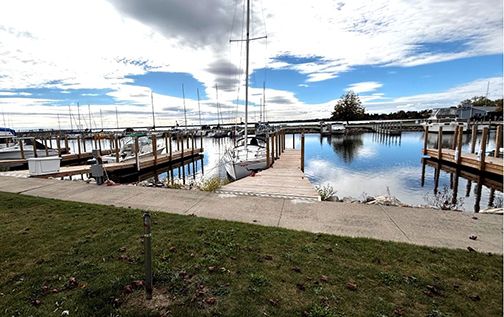
Michigan’s latest waterways investment isn’t just about prettier docks—it’s a textbook case of how public dollars quietly shape the infrastructure that recreational shooters, hunters, and boaters rely on every season. By steering $4 million-plus into dredging and marina upgrades across six counties, the DNR is effectively subsidizing the very access points that let sportsmen reach remote hunting grounds, scout new fishing holes, and stage multi-day backcountry trips. Those improvements also create the sort of low-key, family-friendly outdoor venues that keep the next generation engaged with the outdoors instead of glued to screens—an indirect but powerful buttress for the culture that sustains Second Amendment support.
The real story lies in the leverage: every state dollar is matched by local partners, stretching the total outlay past $6.5 million and locking in long-term maintenance commitments. That multiplier effect mirrors the way pro-2A advocates push for matching-grant programs at the federal level—turning modest appropriations into durable assets that can’t be clawed back by future anti-gun administrations. It also underscores a strategic truth: when government invests in the “soft” side of outdoor recreation, it inadvertently strengthens the economic and political coalition that defends everything from concealed-carry reciprocity to suppressor deregulation.
For the firearms community, the takeaway is simple—watch where the state is spending its waterways money, then show up at the ribbon-cuttings. Those new slips and deeper channels aren’t just for pontoon parties; they’re forward operating bases for the lifestyle that keeps range memberships paid and ammunition sales climbing.


