

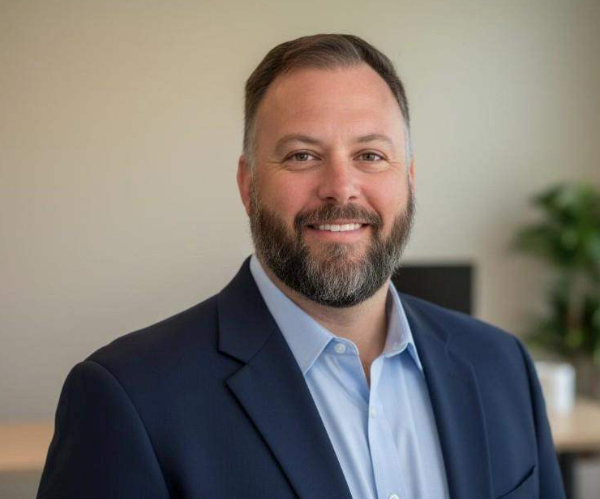
Blue Force Gear’s decision to elevate Eric Suarez into the VP of Marketing role signals more than a routine corporate shuffle—it’s a calculated bet that the tactical-gear space needs sharper storytelling if it wants to keep winning both institutional contracts and the hearts of civilian shooters. Suarez arrives with a résumé steeped in the very ecosystems Blue Force Gear serves: military end-users who demand mission-critical reliability, law-enforcement agencies navigating increasingly restrictive procurement rules, and an ever-growing commercial base that treats plate carriers and chest rigs as lifestyle gear. By placing someone fluent in all three dialects at the center of brand strategy, the company is positioning itself to translate battlefield credibility into mainstream relevance without diluting the no-compromise ethos that 2A consumers reward with loyalty and repeat purchases.
The timing is equally telling. As states experiment with magazine bans, “assault weapon” restrictions, and red-flag regimes, the companies that thrive will be those that can articulate why their products remain lawful, functional, and worth defending in the court of public opinion. Suarez’s mandate to unify messaging across military, LE, and commercial channels gives Blue Force Gear a megaphone that can pivot from spec-sheet data to cultural narrative in a single campaign cycle. That matters because the 2A community increasingly consumes gear through the same social feeds that shape policy debates; a well-crafted story about a sling that kept a carbine in the fight can double as quiet counter-programming against the next round of legislation.
For Second Amendment advocates, the move underscores a broader industry trend: the most durable pro-2A infrastructure isn’t forged solely in courtrooms or statehouses, but in the boardrooms where marketing budgets decide which products reach new shooters and which narratives dominate the algorithm. Blue Force Gear’s investment in Suarez suggests they understand that every Instagram post, trade-show booth, and dealer training session is another data point in the larger argument that responsible citizens should have access to the tools that keep them—and the republic—safe.


