

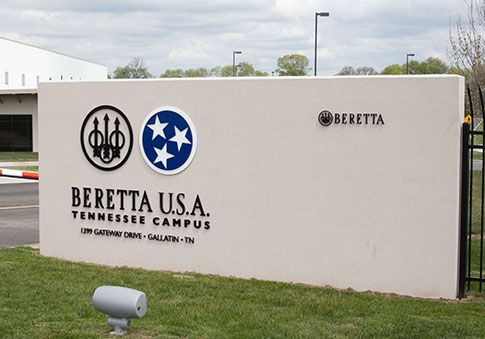
Beretta’s decade-long commitment in Gallatin isn’t just a corporate milestone—it’s a living rebuttal to the narrative that American gunmaking is an industry in retreat. By anchoring production in Tennessee, the Italian-owned company has created hundreds of skilled manufacturing jobs while proving that domestic capacity can meet the exacting standards of U.S. law-enforcement agencies, competitive shooters, and everyday citizens who rely on reliable defensive tools. The facility’s output of pistols, shotguns, and rifles has quietly helped stabilize supply lines during periods when panic buying and regulatory uncertainty threatened to empty dealer shelves, underscoring how private-sector investment can outpace the sluggishness of government-directed manufacturing.
For the broader 2A community, the Gallatin story carries a deeper strategic message: every new American production line is another layer of resilience against future import restrictions or politically motivated embargoes. When a major OEM invests in U.S. tooling, training, and vertical integration, it reduces the leverage any single administration or foreign government can exert over lawful firearm availability. That matters when magazine-capacity bans, pistol-feature restrictions, or import tariffs surface in legislative cycles; domestic plants can often retool faster than overseas suppliers can navigate new compliance regimes. In short, Beretta’s Tennessee footprint is more than a tenth-anniversary party—it’s evidence that the right to keep and bear arms is reinforced every time skilled American hands assemble another firearm on native soil.


