

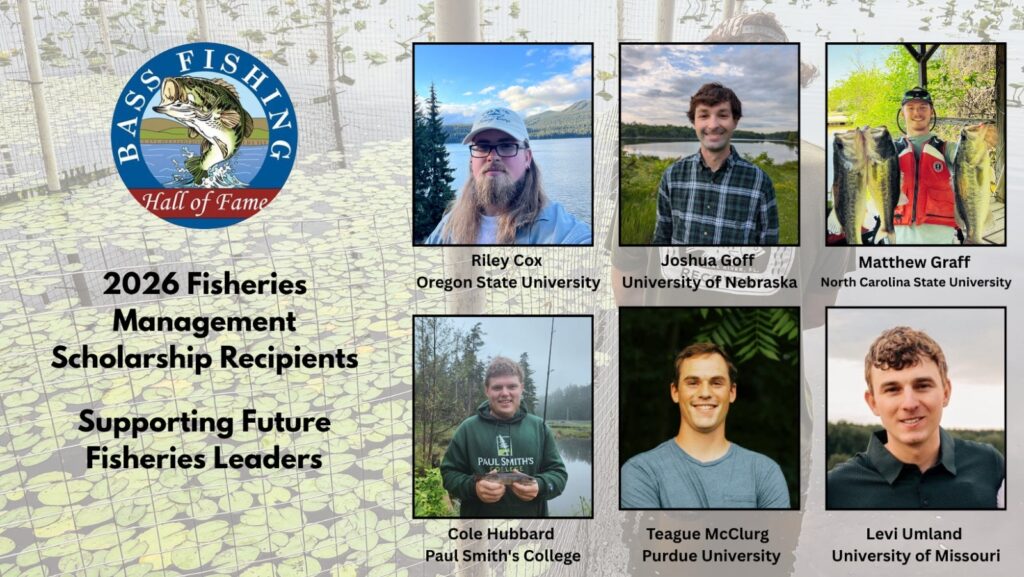
The Bass Fishing Hall of Fame’s decision to fund 2026 Fisheries Management Scholarships isn’t just about stocking more largemouth; it’s a quiet but strategic investment in the next generation of biologists, habitat managers, and policy influencers who will shape access to public waters for decades. By steering young talent toward science-based management rather than top-down restriction, the program strengthens the case that America’s fisheries can be both abundant and responsibly enjoyed—precisely the data-driven argument the firearms community has long used to defend hunting, angling, and the tools that make them possible. When these scholars later testify before wildlife commissions or draft regulations, their training will carry the implicit message that sustainable harvest, not prohibition, keeps ecosystems healthy.
For Second Amendment advocates, the scholarships also serve as a reminder that conservation and liberty travel together. Every new fisheries professional who understands population dynamics and user-funded habitat work undercuts the narrative that outdoor recreation must be micromanaged by distant bureaucracies. In an era when anti-hunting activists increasingly target traditional firearms through “public safety” framing, having credentialed allies inside state agencies who grasp the value of private-land access, lead ammunition debates, and multiple-use public lands is an under-the-radar win. The Hall of Fame’s modest scholarship outlay today could translate into institutional memory tomorrow that keeps both fish and freedom in plentiful supply.


