

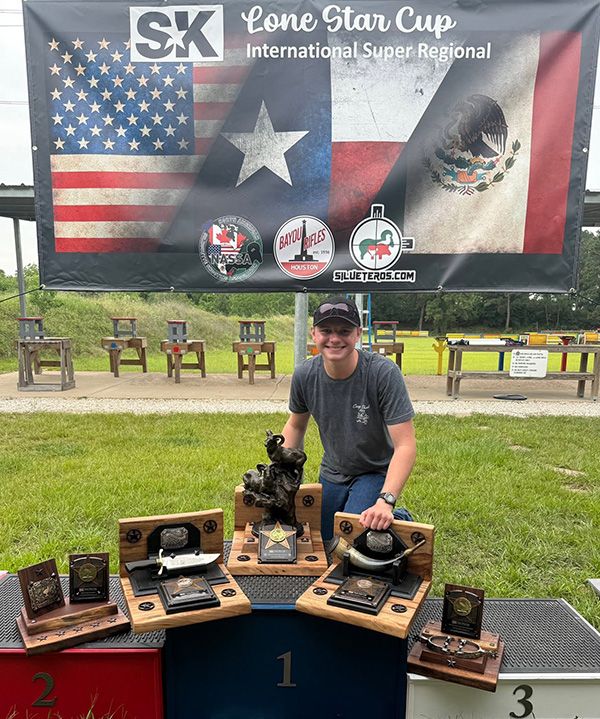
The 2026 SK Lone Star Cup’s second-year success at Bayou Rifles Club signals more than just another match on the calendar—it’s proof that smallbore silhouette is carving out real, sustainable growth inside the shooting sports. William Harris’s repeat victory isn’t merely a personal milestone; it underscores how consistent, high-level competition draws serious competitors back year after year, building the kind of institutional knowledge and peer pressure that sharpens skills across the board. By folding in the North American Silhouette Shooting Association’s new framework, the event also quietly stitches regional clubs into a larger network, giving local shooters clearer pathways to national recognition without forcing them to travel to distant big-bore venues.
For the broader 2A community, these developments matter because they keep marksmanship traditions alive at a time when range access and youth participation face constant headwinds. Smallbore silhouette is inexpensive to enter, family-friendly, and legally uncontroversial, yet it still hones the same core competencies—positional shooting, wind reading, and equipment mastery—that translate directly to defensive and service-rifle disciplines. When events like the Lone Star Cup expand, they create fresh data points for legislators and range owners: participation numbers, safety records, and economic impact that rebut the narrative that firearms culture is shrinking or static. In short, every new shooter who posts a score at Sedalia is quietly reinforcing the argument that the right to keep and bear arms remains a lived, measurable activity rather than an abstract talking point.


