

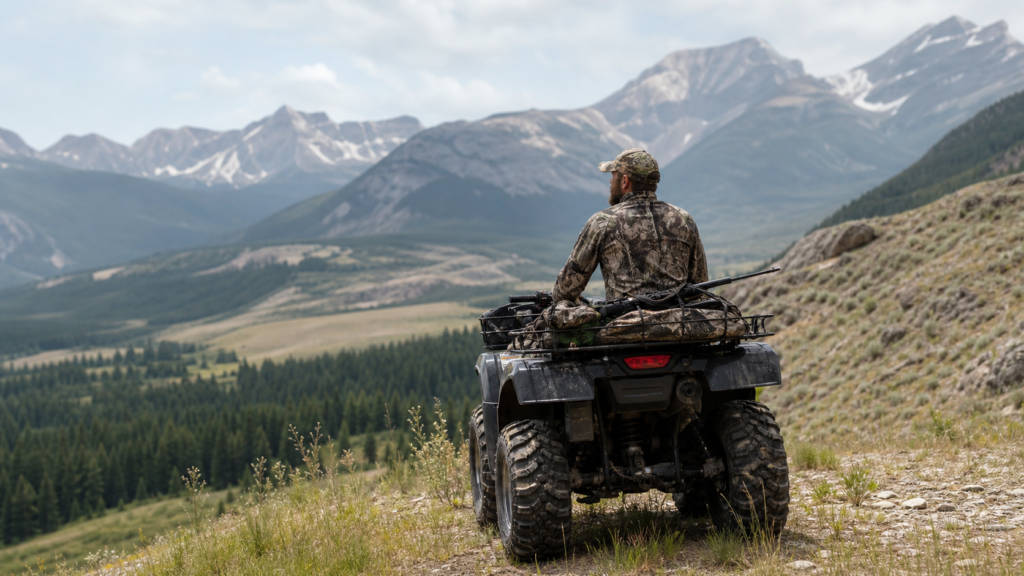
The executive order quietly restores long-standing multiple-use principles to federal lands that had been steadily narrowed by previous administrations, and the practical effect for ATV riders and hunters is far less about “invasion” than about returning access that was never legally extinguished. By directing agencies to review overly restrictive travel-management plans and to prioritize recreational and subsistence uses alongside conservation, the order simply tells land managers they must once again weigh the statutory mandates of the enabling acts that created most western parks and monuments—acts that explicitly contemplated hunting, trapping, and motorized access on many of those acres. For the 2A community this is a reminder that the same legal architecture protecting public-land hunting also underpins the right to keep and bear arms; when one is chipped away through administrative reinterpretation, the other is never far behind.
What the breathless headlines ignore is that the order does not open Yellowstone’s geyser basins to side-by-sides or authorize shooting in visitor centers; it merely stops the quiet expansion of “wilderness character” buffers and seasonal closures that had been used to functionally disarm and de-motorize adjacent communities. Hunters who have watched their traditional campsites reclassified as “wilderness study areas” without congressional action now have a procedural path to push back, and that matters because the same regulatory tools—emergency closures, discretionary permit systems, and ever-shifting travel plans—are increasingly aimed at firearms-related activities on BLM and Forest Service ground as well. In other words, the fight over an ATV route in a monument is the same fight over whether a law-abiding citizen can carry a defensive handgun on a national recreation area trail.
The deeper implication is that the administrative state’s reflexive preference for restriction can be reversed with a single signature when the political will exists, but it can also be reinstated just as quickly. Second Amendment supporters who treat public-land access as someone else’s issue are therefore making a strategic error; every incremental loss of motorized or hunting access creates precedent and personnel networks that later migrate to restrictions on private property, training ranges, and even the transport of firearms across federal corridors. The order is less a revolution than a maintenance check on the guardrails that keep the right to arms and the right to hunt from being regulated out of existence by the same slow-motion bureaucracy.


