

Background
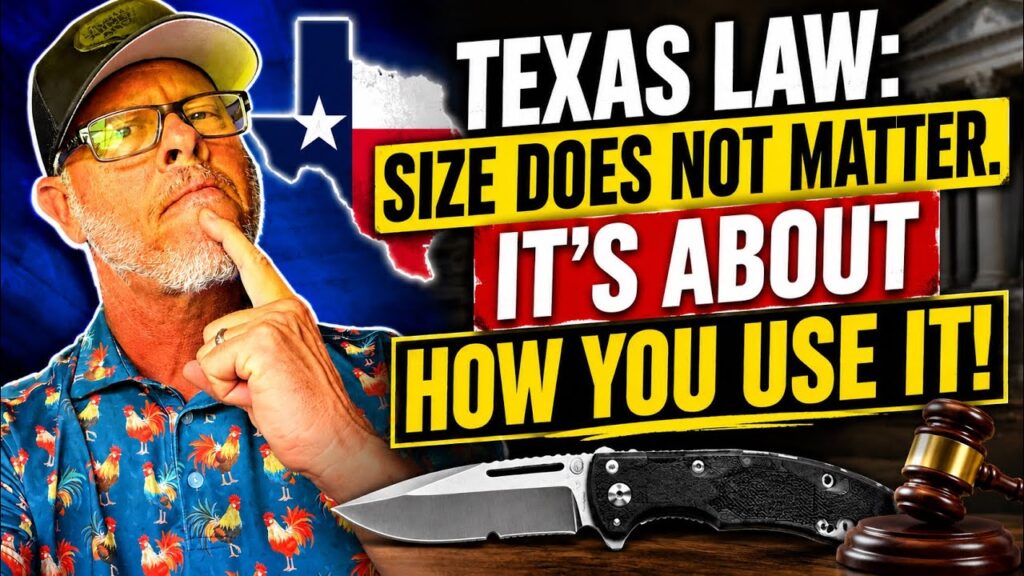
In a recent episode of the Legally Armed America podcast, host Paul Glasco examined remarks made by U.S. Rep. Jasmine Crockett concerning the conviction of Karmelo Anthony in Frisco, Texas. Anthony received a 35-year sentence after a jury found him guilty of first-degree murder in the death of Austin Medaf. Glasco argued that Crockett’s suggestion that the small size of the weapon should reduce the charge misrepresents Texas law.
Pros
- Highlights the statutory definition of a deadly weapon under Texas Penal Code §1.07(a)(17), emphasizing that capability to cause death, not physical dimensions, determines classification.
- Clarifies that blade length affects only location-restricted carry rules, not the gravity of a homicide charge under Chapter 19.
- Uses straightforward analogies, such as comparing a claw hammer to a sledgehammer, to illustrate that intent and manner of use govern legal outcomes.
Cons
- Repeated personal attacks on Crockett’s appearance, including references to “giraffe eyelashes” and “draft eyelashes,” detract from substantive legal analysis.
- Speculation that Crockett is deliberately misstating the law for political gain lacks supporting evidence beyond the host’s assertion.
- Characterizes the congresswoman’s comments as an “audition” for future media roles, shifting focus from legal accuracy to motive.
Specs
- Weapon in question: Trail 6-in-1 multi-tool with a 3.5-inch blade.
- Conviction: First-degree murder, 35-year sentence delivered in under three hours.
- Texas law: Deadly-weapon status hinges on “manner of its use or intended use,” not measured length.
“It doesn’t matter how small the weapon is when you kill somebody with it,” Glasco stated, underscoring that jurors focused on evidence rather than measurements. He concluded by urging viewers to consult actual statutes instead of relying on podcast commentary.


