

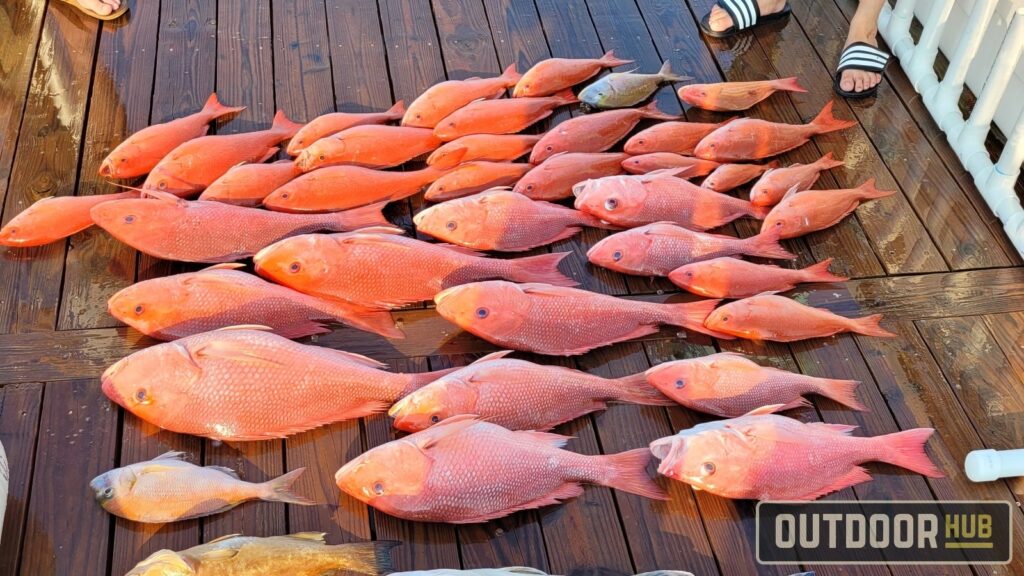
South Atlantic states just fired a fresh salvo in the long-running battle over red snapper management, and the echoes reach far beyond the reef. Florida, Georgia, and South Carolina have resubmitted revised exempted fishing permits that would let each state run its own data-collection and harvest program—essentially a state-level workaround after a federal court torpedoed NOAA’s earlier attempt to stretch the season. The move is more than a fisheries tweak; it’s a textbook example of federalism in action, where coastal legislatures are asserting that local biologists and anglers understand their waters better than a distant bureaucracy in Silver Spring. For Second Amendment advocates, the parallel is unmistakable: when centralized rules choke off access—whether to fish or to firearms—states that refuse to wait for permission become the proving ground for restoring individual liberty.
The stakes are bigger than a cooler of fillets. If these EFPs survive NOAA and court scrutiny, they’ll demonstrate that states can collect defensible data, set biologically sound seasons, and still give private citizens meaningful opportunity without a federal permit in their pocket. That template travels. The same logic that lets a state manage snapper also underpins arguments for state-run reciprocity systems, constitutional carry, and even state-produced firearms or ammunition when federal supply lines tighten. Conversely, if NOAA stonewalls or litigants tie the permits up in endless process, the episode will underscore why many gun owners instinctively distrust federal “pilot programs” that never relinquish control. Either outcome will be watched closely by coastal and inland sportsmen alike, because the principle at issue is the same: who ultimately decides how Americans interact with the natural resources—and the constitutional rights—they hold closest to home.


