

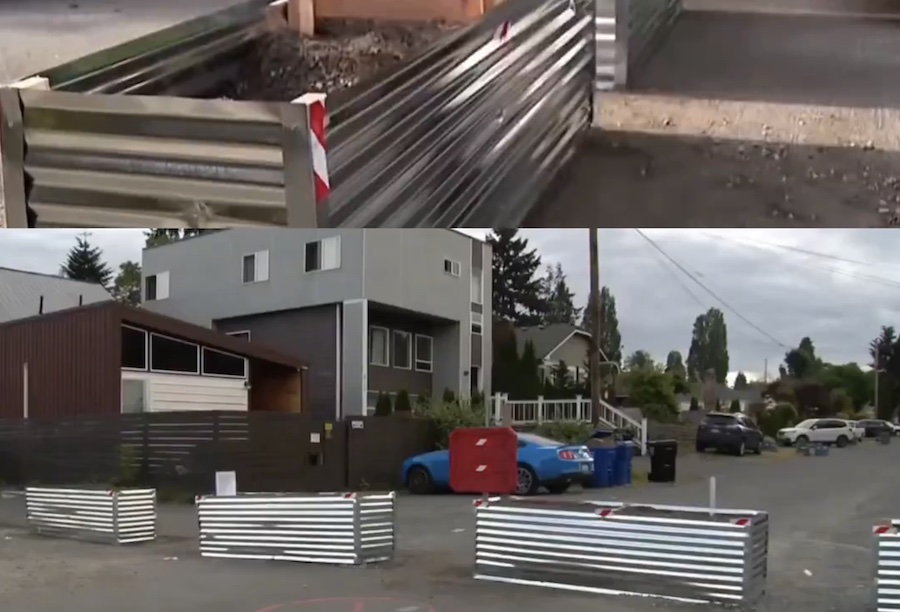
Seattle residents fed up with nightly gunfire and city hall’s refusal to enforce basic order have taken the extraordinary step of physically shutting down their own streets, turning neighborhoods into makeshift checkpoints because elected officials won’t. After years of reduced policing, revolving-door prosecution, and a deliberate policy of treating armed criminals as victims rather than predators, ordinary citizens are discovering that the only reliable security is the one they create themselves. The irony is unmistakable: the same progressive coalition that spent the last decade demonizing lawful gun owners and pushing “sensitive-place” restrictions now finds its own constituents barricading intersections because the state monopoly on force has collapsed.
For the 2A community this episode is a live demonstration of why the right to keep and bear arms exists in the first place. When government retreats from its core duty to protect life and property, the natural right of self-defense reasserts itself—whether that means armed citizens standing watch or simply refusing to be disarmed while criminals remain armed. Seattle’s street closures also expose the hypocrisy of “public safety” rhetoric that disarms the law-abiding while releasing repeat violent offenders; the predictable result is not fewer guns on the street, but fewer guns in the hands of people willing to obey the law. Lawmakers who spent years passing magazine bans and permit-to-purchase schemes now watch as neighborhoods improvise their own security because those same laws never constrained the shooters.
The longer-term implication is a quiet but accelerating shift in public trust: citizens are learning that 2A rights are not theoretical debating points but practical tools for filling the vacuum left by failed governance. As more cities flirt with the same policies, expect similar grassroots pushback—armed neighborhood watches, private security subscriptions, and renewed legal challenges to restrictions that leave only the compliant vulnerable. Seattle’s barricades are less a protest than a warning label on the consequences of treating the Second Amendment as an inconvenience rather than the safeguard it was designed to be.


