

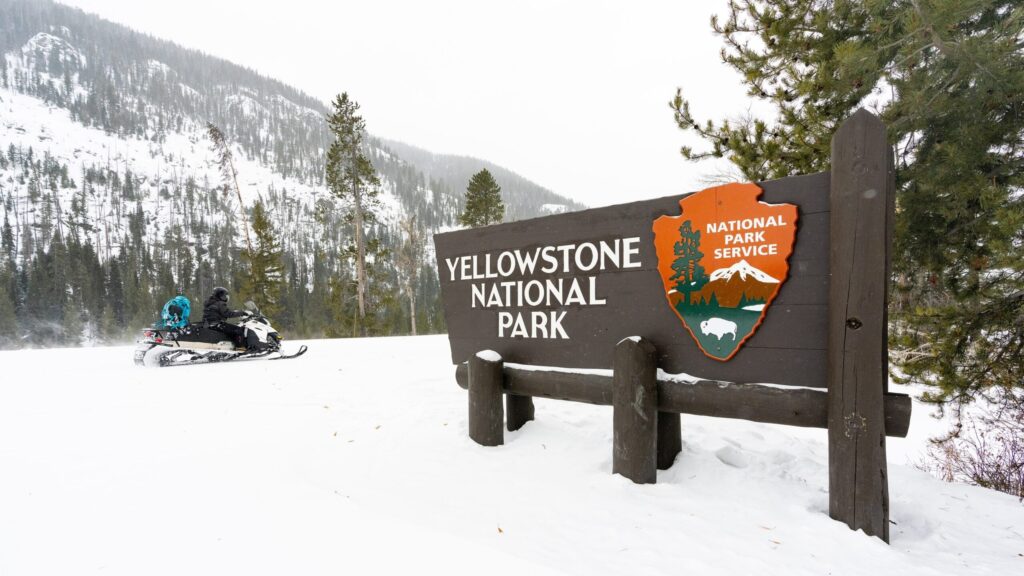
In the wild expanse of Yellowstone National Park, a grizzly bear attack has left two hikers injured, serving as a stark reminder that nature doesn’t negotiate with good intentions. According to reports from author Eugene L., the incident unfolded during a routine hike when the massive predator charged, mauling the victims before rangers intervened. While the hikers survived thanks to swift medical response, the event underscores a brutal reality: in bear country, where encounters with 500-pound killing machines are statistically inevitable—Yellowstone logs over 40 grizzly attacks since 2010—passive defenses like bear spray (effective only 90% of the time per Interagency Grizzly Bear Committee data) often fall short against determined assaults.
For the 2A community, this isn’t just another wildlife headline; it’s a clarion call for armed self-reliance in the great outdoors. Park Service regulations currently ban firearms carry in certain areas, forcing visitors to bet their lives on pepper spray or screams, yet states like Montana and Wyoming, bordering Yellowstone, affirm the right to bear arms precisely for such threats. Data from the U.S. Fish and Wildlife Service shows defensive gun uses against wildlife outnumber attacks by orders of magnitude, with no recorded human fatalities from legally carried firearms in national parks post-2010 expansion of carry rights. Imagine if those hikers had been equipped with a reliable sidearm like a 10mm Glock—loaded with hard-cast bullets proven to stop grizzlies in field tests by ammo makers like Buffalo Bore. This attack amplifies the push for federal policy reform, urging the NPS to fully embrace concealed carry reciprocity nationwide, turning potential tragedies into testimonials for the Second Amendment’s life-saving power.
The implications ripple beyond the trailhead: as urbanites flock to public lands amid rising outdoor recreation (up 12% per Recreation.gov stats), anti-gun activists will spin this as a bear spray success, ignoring the spray’s failures in wind, rain, or close-quarters blitzes documented in USGS studies. 2A advocates must counter with facts—highlighting cases like the 2023 Alaska hiker saved by a .44 Magnum—and lobby for signage, training mandates, and legal protections. In grizzly territory, the choice is clear: trust in rust, or spray and pray. Arm up, hike smart, and stay vigilant—your life might depend on it.


