

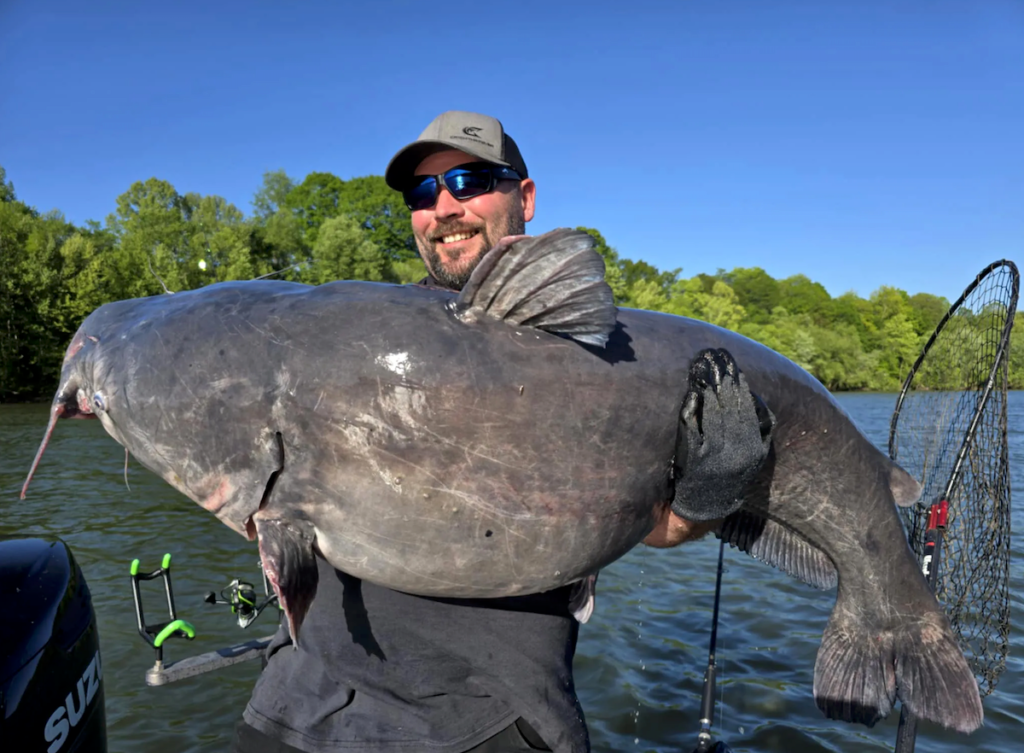
In the rolling currents of the Ohio River, where West Virginia’s anglers chase giants in the dark, a new state record blue catfish just reminded everyone that the best trophies still come from skill, patience, and the freedom to pursue them. The catch isn’t merely about pounds and inches; it’s a snapshot of what happens when public waterways remain open and citizens retain the tools—rods, reels, boats, and yes, the sidearms that keep remote riverbanks secure—to chase those moments without asking permission. For the 2A community, every record fish landed on a free-flowing river is quiet proof that the same constitutional principles protecting the right to keep and bear arms also protect the broader culture of self-reliance that turns ordinary weekends into history-making outings.
What makes this story especially resonant is how little separates the angler’s toolkit from the shooter’s: both rely on precision equipment, situational awareness, and the legal latitude to carry that equipment into wild places. West Virginia’s river corridors have long been training grounds for that mindset—places where a holstered pistol is as practical as a fillet knife when miles of wooded shoreline separate you from the nearest help. Record catches like this one don’t just fill trophy cases; they reinforce the argument that restricting access or equipment under the guise of “public safety” ultimately shrinks the very landscapes where Americans learn responsibility, marksmanship-adjacent skills, and an unfiltered relationship with nature.
The ripple effects reach beyond one fisherman’s photo. As states weigh new river-access rules or magazine-capacity limits that could affect boaters, this West Virginia blue cat stands as living counter-evidence: the bigger the fish, the stronger the case that an armed, equipped citizenry enhances conservation by increasing the number of eyes and stewards on the water. When the next generation of young anglers sees that a state record is still possible on a public river, they absorb an unspoken lesson—that constitutional rights and outdoor heritage are not separate causes but the same current running through American life.


