

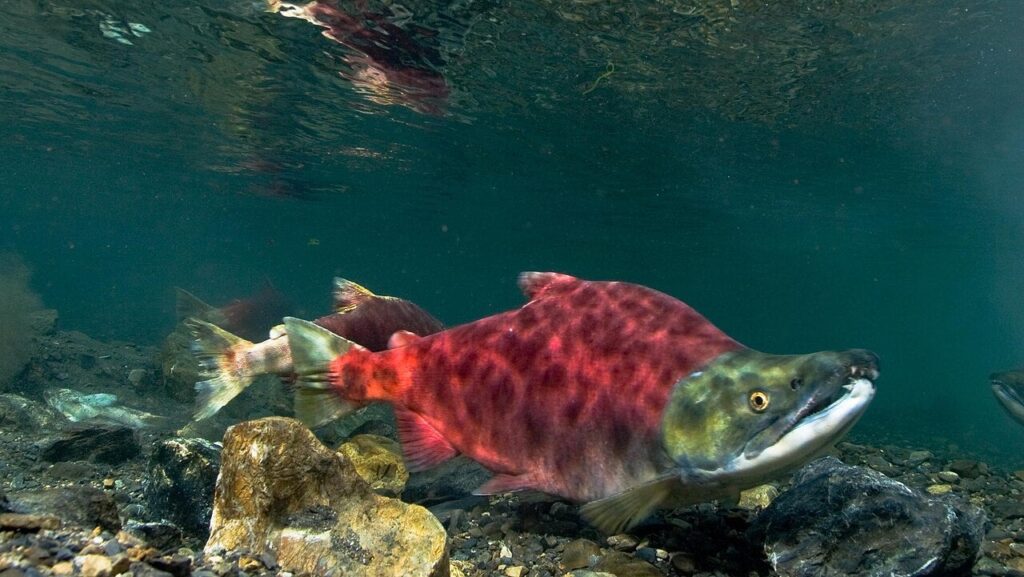
Washington’s abrupt cancellation of the Upper Columbia sockeye season is more than a fisheries-management footnote; it’s a textbook case of how regulatory overreach and shifting environmental priorities can quietly erode the very traditions that keep rural communities—and their political values—intact. When state biologists pull the plug on a long-standing, carefully managed harvest, they aren’t just protecting fish; they’re reshaping who gets to participate in the outdoors and under what conditions. For Second Amendment supporters, that matters because the same agencies and philosophies that limit access to salmon also shape the rules governing access to firearms, public lands, and the cultural practices that sustain both.
The ripple effects reach far beyond the riverbank. Families who plan annual trips around the sockeye run lose not only a source of food but a living link to self-reliance and generational knowledge—values that parallel the responsibility and discipline central to lawful gun ownership. When those opportunities vanish under layers of bureaucracy and litigation, the narrative that “government knows best” gains ground, making it easier for the same mindset to justify magazine bans, permitting schemes, or restrictions on private property. Conversely, when sportsmen stay engaged, they become a formidable voting bloc that defends both fish and firearms with equal vigor.
Ultimately, the sockeye closure is a reminder that conservation debates are rarely just about the resource; they’re about power—who wields it and whose way of life gets preserved. Pro-2A advocates who recognize this connection can turn a fisheries decision into a broader argument for decentralized decision-making, transparent science, and policies that keep both rivers and rights open for the next generation.


