

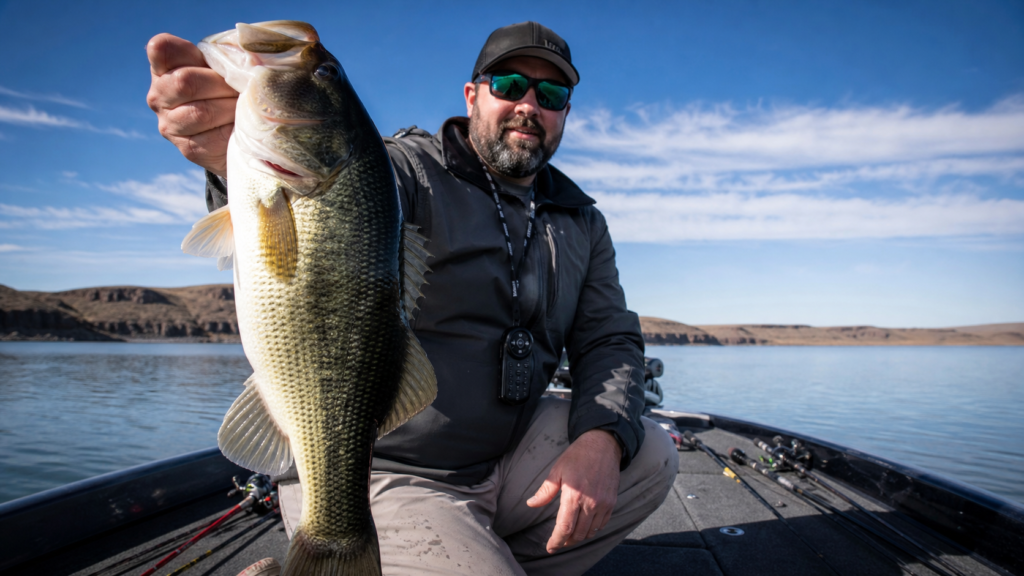
Washington’s Columbia Basin is shaping up to be ground zero for serious bass fishing this summer, and the packed 2026 tournament calendar at Moses Lake, Potholes Reservoir, and Banks Lake isn’t just good news for anglers—it’s a quiet but powerful reminder of why public lands and waters matter to the broader firearms community. When state agencies and local clubs coordinate events across these massive public impoundments, they’re demonstrating exactly what responsible access to shared resources looks like: open tournaments that welcome civilians, families, and competitors without the heavy-handed restrictions that often accompany federal land management. For Second Amendment advocates, these waters represent the same principle we fight for on the range—places where law-abiding citizens can pursue their passions, test their skills, and pass traditions to the next generation without needing special permission slips from distant bureaucrats.
The real story here isn’t just the number of events; it’s the model of cooperative conservation that keeps these fisheries healthy while preserving public access. Washington’s Department of Fish and Wildlife works alongside grassroots clubs like the Inland Empire Bass Club to stock, monitor, and promote these waters, creating a self-sustaining cycle where license fees and tournament participation directly fund habitat work rather than disappearing into general revenue. That’s the kind of localized, user-supported management that gun owners have long advocated for on public shooting ranges and hunting grounds—proof that when citizens stay engaged, the resource stays open and the experience stays authentic. Miss this connection and you miss how the same forces threatening fishing access—overregulation, funding cuts, and anti-recreation activism—are already circling the ranges and backcountry roads we rely on.
For the 2A community, the takeaway is straightforward: every public waterbody that stays open and every tournament that runs without new restrictions is another data point in the argument that civilian access works. These events at Moses Lake and Banks Lake aren’t just about catching bass; they’re living proof that when government steps back and lets sportsmen manage their own pursuits, participation booms and resources improve. The Columbia Basin’s summer schedule is a reminder to stay vigilant—because the same groups pushing to limit tournament fishing today will be the ones showing up tomorrow with new rules for everything from concealed carry on public land to magazine capacity at the range.


