

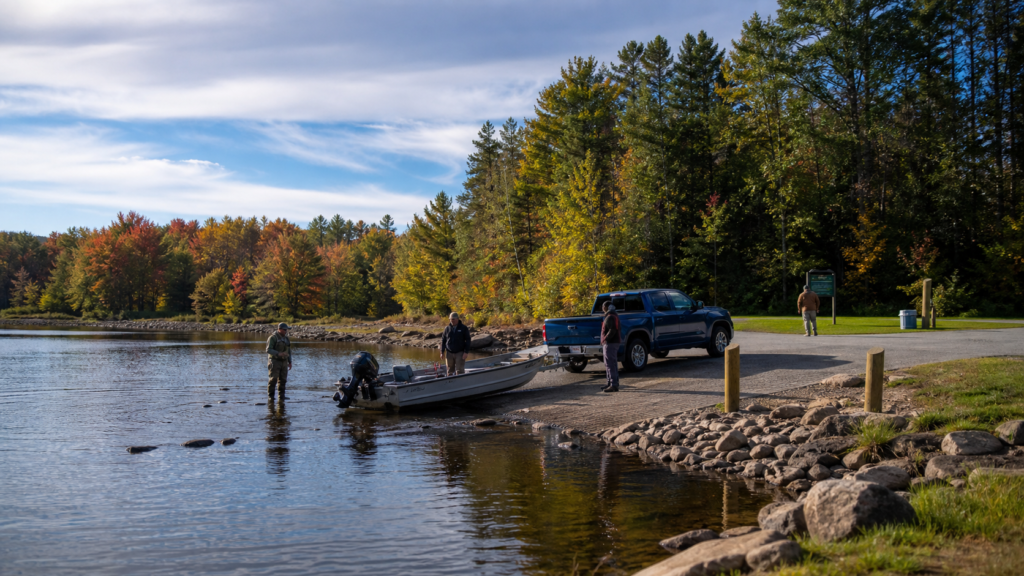
Vermont’s push to hike fees at fishing access points and campgrounds isn’t just a budget footnote—it’s a textbook case of government expanding its reach while the very people who fund public lands get squeezed. License sales are sliding because fewer young Vermonters are picking up rods and rifles, yet instead of trimming bureaucracy or courting new sportsmen, officials are simply passing the shortfall onto the dwindling base. For the 2A community this matters because the same agencies that manage wildlife habitat also shape access to shooting ranges, trap ranges, and backcountry spots where hunters and sport shooters train and recreate; every new fee becomes another soft tax on the right to keep and bear arms by making the land itself less affordable to use.
The deeper problem is philosophical: once a state treats its public acres as a revenue center rather than a public trust, the door opens to ever-rising costs that disproportionately hit rural, working-class gun owners who already shoulder the lion’s share of Pittman-Robertson and state license revenue. When those users stay home, habitat dollars shrink, political support for multiple-use policies erodes, and anti-hunting voices gain louder seats at the table. In Vermont, where carry-permit reciprocity and magazine restrictions already test the patience of the firearms community, this fee creep risks turning public land into a pay-to-play scheme that quietly chills the outdoor culture that underpins support for the Second Amendment.
The takeaway for pro-2A advocates is straightforward—watch these “user fee” proposals the way you watch magazine bans. They rarely stay small, they rarely sunset, and they normalize the idea that exercising constitutional rights on public land is a privilege the state can meter. Staying engaged at the Fish & Wildlife rulemaking stage, pushing for efficiency audits instead of fee hikes, and highlighting how sportsmen already bankroll conservation are the practical next steps before today’s campground surcharge becomes tomorrow’s range-permit requirement.


