

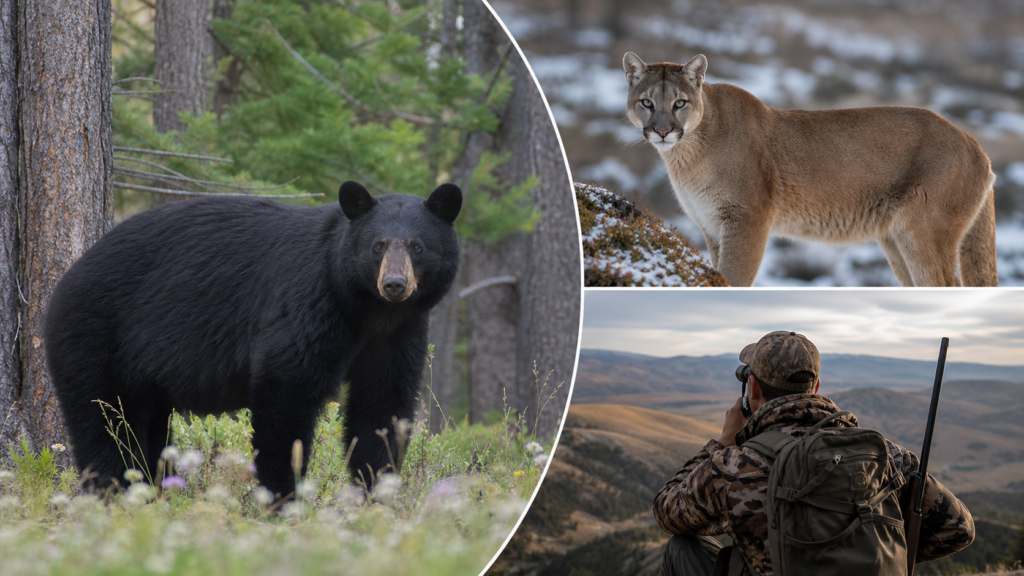
Utah’s decision to carve out a brand-new bear hunting unit isn’t just another line on the draw sheet—it’s a deliberate signal that the state is willing to treat predators as manageable resources rather than untouchable symbols. By expanding opportunity instead of shrinking it, wildlife managers are quietly acknowledging that healthy predator populations and healthy hunter access can coexist when science, not sentiment, drives the quotas. For the 2A community this matters because every new unit that stays open reinforces the principle that regulated hunting is conservation, not a grudging concession that could vanish with the next election cycle.
The cougar-mule-deer study adds another layer: by quantifying how predation actually shapes big-game herds, Utah is arming itself with data that can withstand the inevitable lawsuits from groups that want every mountain lion treated like a sacred cow. When those numbers eventually show that targeted removals improve fawn survival, the findings won’t just justify more tags—they’ll serve as a template other Western states can cite when anti-hunting litigation tries to choke off predator control. Meanwhile, the new GPS-location protections for hunters using electronic calls or bait are a direct push-back against the digital surveillance creep that has already chilled hunter participation in states with weaker privacy statutes. In an era when a single leaked waypoint can trigger protests or doxxing, Utah’s move quietly strengthens the practical ability of citizens to exercise their hunting rights without fear that their phones have become state-sponsored spotters for activists.
Taken together, these three changes illustrate a state that still views hunting as both a wildlife-management tool and a protected individual liberty rather than a privilege subject to constant renegotiation. The 2A community should watch how the data from the cougar study is weaponized—or ignored—in future commission meetings, because the precedent set here will travel. If Utah can keep expanding opportunity while hardening privacy safeguards, it offers a working model for other states tempted to trade hunter access for political quiet.


