

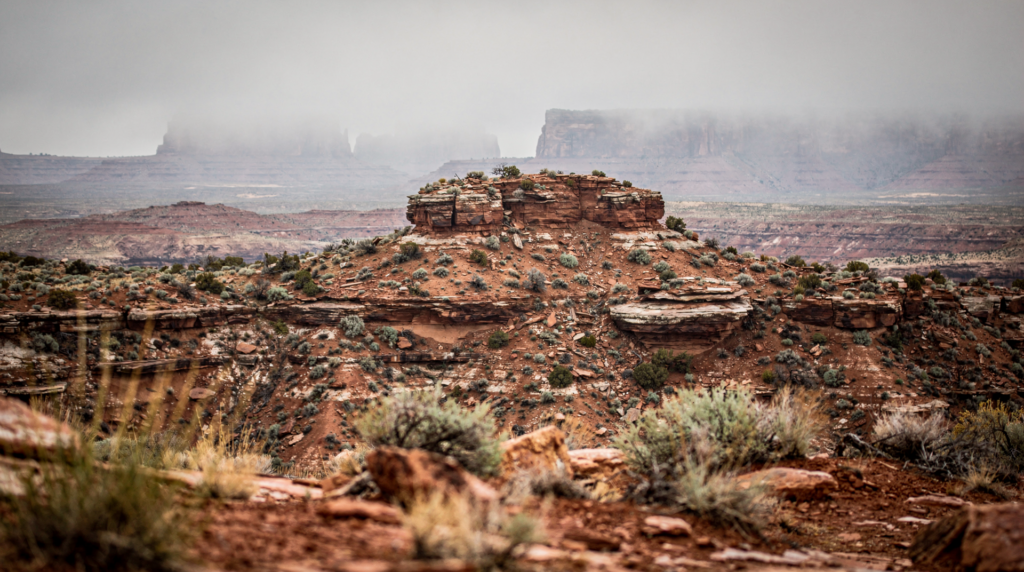
The Utah School and Institutional Trust Lands Administration’s decision to sell roughly 50,000 acres in the Book Cliffs to the Division of Wildlife Resources is more than a routine land swap—it’s a strategic consolidation of public access that directly benefits hunters and the broader Second Amendment community. By moving these parcels from trust-land status, where recreational shooting and hunting can be restricted or monetized on a whim, into wildlife-management hands, Utah is effectively locking in long-term habitat security while preserving the public’s ability to exercise their right to keep and bear arms on that ground. In practical terms, this means more square mileage where law-abiding citizens can hunt mule deer and elk with rifles they lawfully own, without worrying that a future revenue-focused board might suddenly close the gates or jack up permitting fees.
For the firearms community, the transaction underscores a larger truth: habitat acquisition and access rights are inseparable from the right to bear arms. When wildlife agencies control the land, they tend to favor consumptive uses—hunting seasons, guided-outfitter programs, and habitat-improvement projects funded by Pittman-Robertson dollars—over the anti-hunting pressures that sometimes surface on other public parcels. That alignment keeps the economic engine of hunting alive, which in turn funds conservation and sustains the political constituency that defends both hunting and the constitutional right to own the tools of the hunt. In an era when anti-hunting litigation and land-use lawsuits are on the rise, Utah’s move quietly strengthens the coalition that views firearms as legitimate conservation tools rather than liabilities.
Looking ahead, this 50,000-acre addition could serve as a model for other Western states wrestling with checkerboard ownership and competing demands on trust lands. If similar transfers proliferate, hunters gain contiguous blocks large enough to support genuinely fair-chase hunting—the kind of country where a well-placed shot with a traditional rifle still matters more than logistics or permits. That outcome doesn’t just protect elk herds; it protects the cultural expectation that Americans should be free to responsibly carry and use firearms on the landscape their license fees help maintain. In short, Utah just turned a land deal into a quiet but tangible victory for both wildlife and the Second Amendment.


