

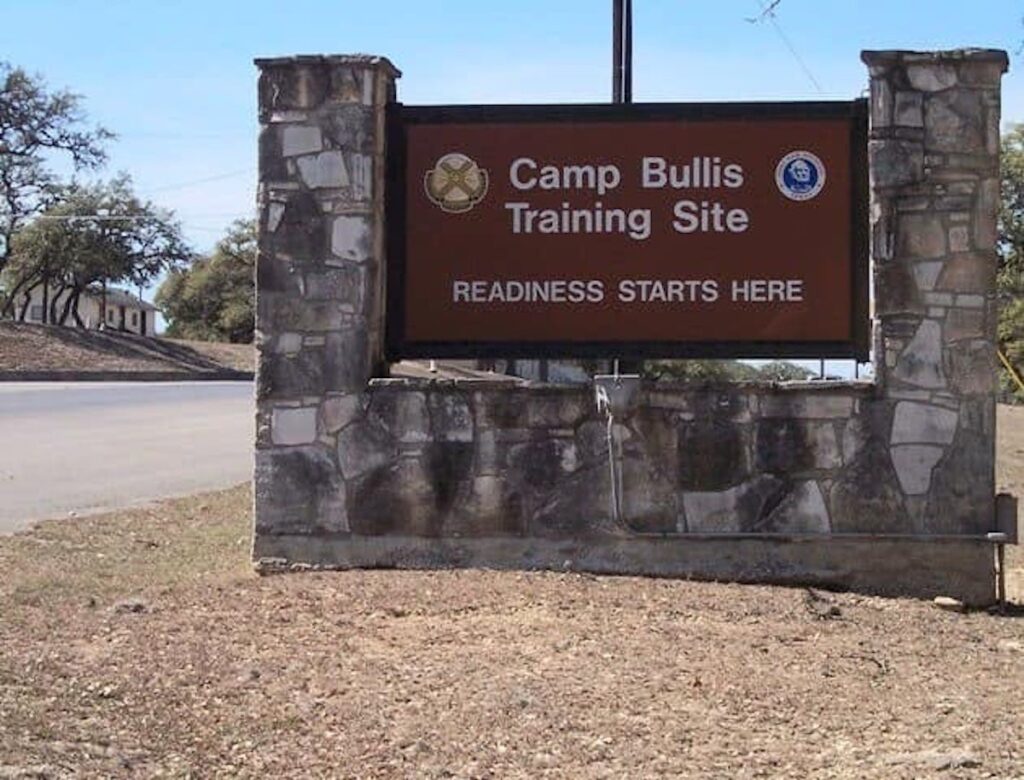
In the heart of Texas, where military training grounds overlap with prime hunting country, a single trail-cam photo of an unidentified bowhunter has sparked more than idle curiosity—it’s become a quiet referendum on how the armed citizen and the armed services coexist on shared land. The individual in question wasn’t trespassing with malice; he was moving through “TA 12 Creek” at Joint Base San Antonio-Camp Bullis with high-end archery gear that suggests both serious woods craft and the financial investment typical of dedicated hunters. Rather than treating the image as evidence of a security breach, base officials are crowdsourcing identification—an approach that signals institutional recognition that most armed outdoorsmen are allies, not adversaries, and that a polite, public request is often more effective than a heavy-handed lockdown.
For the 2A community the episode is instructive on two fronts. First, it underscores that lawful carry and hunting traditions remain culturally embedded even inside the perimeter of federal installations; the hunter’s choice of equipment reflects a broader ecosystem of private gun and archery ownership that the military itself relies upon when it recruits experienced marksmen. Second, the measured response from base leadership quietly rebuts the narrative that any armed presence near government property is inherently suspect. Instead of SWAT teams or felony charges, Texas officials are betting that the same network of hunters who self-police game laws will also self-police respect for restricted zones—an implicit endorsement of responsible gun culture over reflexive prohibition.
The takeaway is pragmatic: when ranges, bases, and wildlife management areas share geography, the Second Amendment doesn’t stop at the gate; it simply changes hats from range bag to range card. Encouraging lawful hunters to help identify a peer who may have wandered off-course is less about catching a violator and more about preserving the uneasy but functional truce between military necessity and civilian marksmanship heritage. In an era when anti-gun advocates seize on any image of a firearm near federal land, this low-drama, community-driven resolution is a reminder that the best security for shared spaces is often an armed, ethical public that already knows the rules.


