

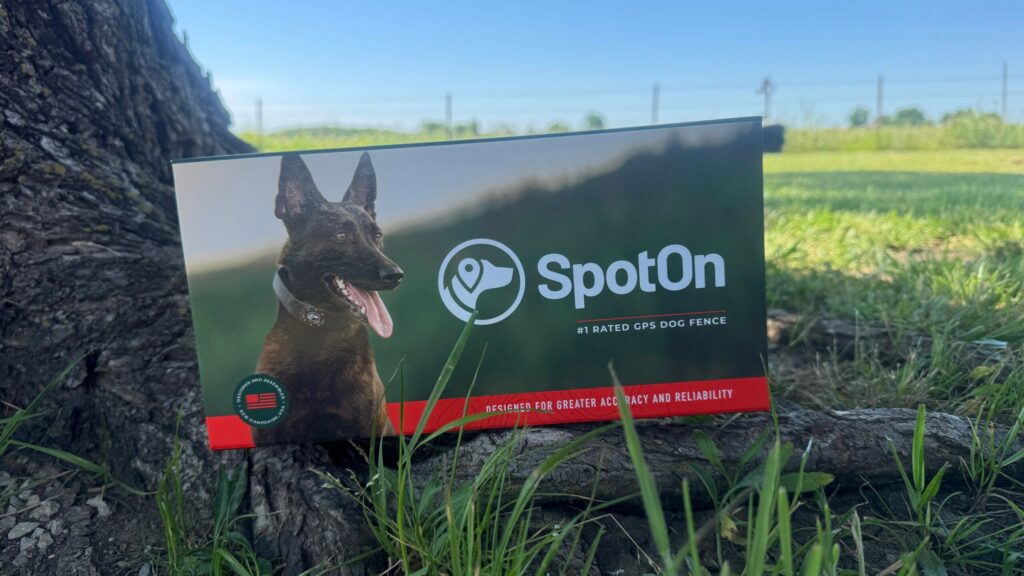
The SpotOn GPS Fence Nova collar represents a fascinating evolution in how rural property owners manage their canine companions without traditional physical barriers, and its six-month trial on a 60-acre spread with a yellow Lab offers real-world validation that goes beyond marketing claims. What stands out is how this technology sidesteps the regulatory headaches and neighbor disputes that often accompany visible fencing, while still delivering the kind of boundary enforcement that keeps dogs safe and contained—much like how responsible firearm ownership relies on training and technology rather than just physical restrictions. The GPS precision and customizable zones essentially create an invisible perimeter that adapts to terrain and property lines in ways chain-link never could, proving particularly valuable for those expansive rural holdings where traditional fencing becomes prohibitively expensive or impractical.
For the 2A community, this kind of innovation carries deeper implications about self-reliance and the right to manage one’s property without excessive government oversight or neighbor interference. Just as firearms enthusiasts often champion technological solutions that enhance safety and responsibility without compromising freedom, the SpotOn system demonstrates how modern tools can solve age-old rural challenges while preserving the independence that comes with acreage ownership. The collar’s ability to create virtual boundaries without altering the landscape or requiring permits speaks to a broader principle: when individuals have access to effective, private solutions, they reduce the perceived need for restrictive regulations that might otherwise creep into rural life. This mirrors the ongoing debate about whether technology and personal responsibility can address safety concerns more effectively than blanket restrictions—a conversation that resonates strongly with those who value both their dogs’ safety and their own constitutional rights to property and self-defense.


