

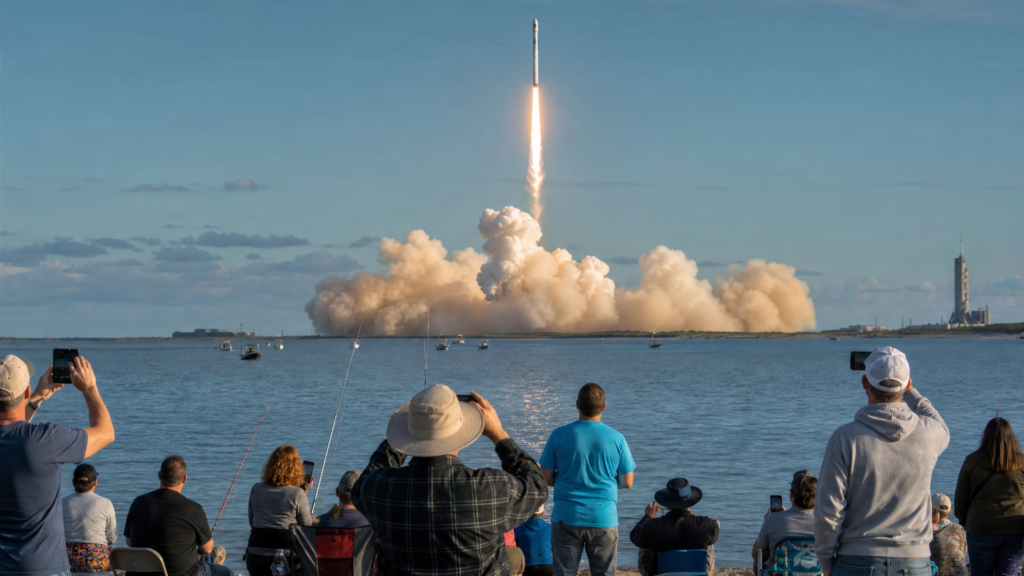
SpaceX’s next Boca Chica launch window is already rippling outward from the pad, and the first people feeling the squeeze are the very Texans who use the beaches and boat ramps that sit inside the temporary closure zones. While the company’s rapid cadence is a marvel of private-sector engineering, the ripple effect on public access is a textbook case of how one industry’s progress can quietly redraw the map for another—recreational shooters and hunters who rely on those same coastal flats for everything from plinking steel to waterfowl. When the gates swing shut, it isn’t just tourists who lose a weekend; it’s the locals who keep their rifles zeroed on makeshift ranges carved into the dunes or who launch skiffs at dawn to set decoys before work.
The deeper story isn’t the inconvenience of a single launch day; it’s the precedent being etched into federal and state permitting language. Every new NOTAM or Coast Guard safety zone adds another layer of regulatory friction that future administrations—some less friendly to private spaceflight—could easily repurpose to restrict access for shooters under the guise of “public safety.” The 2A community has watched similar salami-slice tactics unfold around BLM land and national forests; the Boca Chica model simply swaps rocket exhaust for wildfire concerns. If the closures become normalized, the same legal architecture could be aimed at any outdoor range whose footprint overlaps a “high-traffic aerospace corridor,” effectively shrinking the practical exercise of the right to keep and bear arms without ever touching a single statute.
Yet the same technological momentum that creates the closures also offers a potential off-ramp. SpaceX’s vertical-integration ethos—printing its own parts, writing its own software, owning its own range safety—proves that private actors can move faster and more accountably than sprawling federal agencies. A parallel argument is emerging among 2A advocates: if civilians can shoulder more responsibility for their own safety and environmental compliance, perhaps negotiated access windows, pop-up ranges, or even mobile shooting facilities could coexist with launch cadence. The lesson from Boca Chica is that technological disruption cuts both ways; the question for gun owners is whether they’ll treat each new closure as an isolated hassle or as the next front in a long fight over who gets to decide where Americans may lawfully train, hunt, and recreate.


