

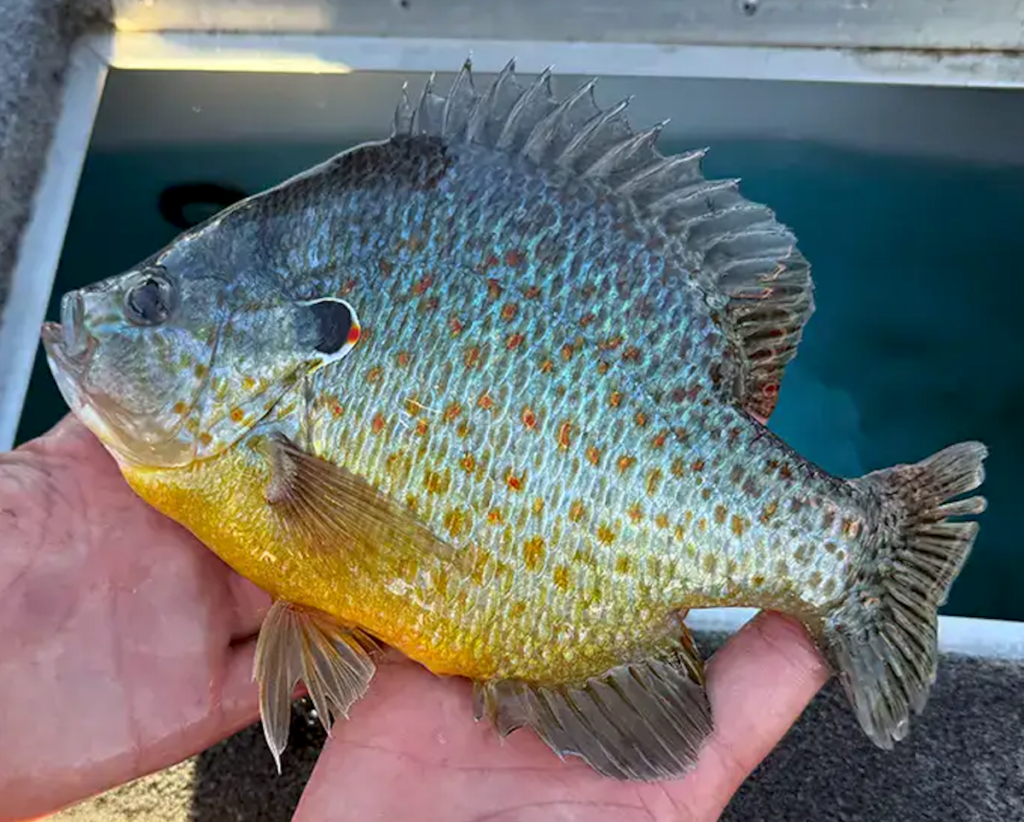
Jack Backman’s 1-pound pumpkinseed sunfish is more than a quirky footnote in the record books; it’s a reminder that the same constitutional principles that protect the right to keep and bear arms also safeguard the public lands and waters where Americans pursue everything from small sunfish to big-game trophies. Wall Lake sits on public property managed under state and federal frameworks that trace their legitimacy to the same founding-era understanding of individual liberty that underpins the Second Amendment. When anti-gun activists push “sporting purposes” tests or try to shrink the definition of protected arms, they’re using the same regulatory logic that could one day limit access to the very waters where records like Backman’s are made.
The 56-year-old mark fell because an angler exercising his right to freely use public resources refused to be pigeon-holed into targeting only walleye; he kept an open mind, stayed prepared, and capitalized on an unexpected opportunity. That same mindset—versatility, preparedness, and an insistence on maximum individual liberty—drives the modern self-defense and sporting culture the 2A community champions. If regulators can decide that only certain firearms or certain methods are “legitimate,” they can just as easily decide that only certain fish or certain tackle are acceptable on public lakes. Backman’s fish proves the value of rejecting those limits before they’re imposed.
For the firearms community, the takeaway is straightforward: every outing on public land or water is an exercise in constitutional freedom. Defending access to those places, opposing incremental restrictions on method or magazine capacity, and mentoring newcomers in the full spectrum of outdoor sports are all part of preserving the ecosystem in which records are broken and traditions are handed down. South Dakota’s new pumpkinseed standard is a small but vivid illustration that liberty, once exercised, has a way of producing outsized results.


